

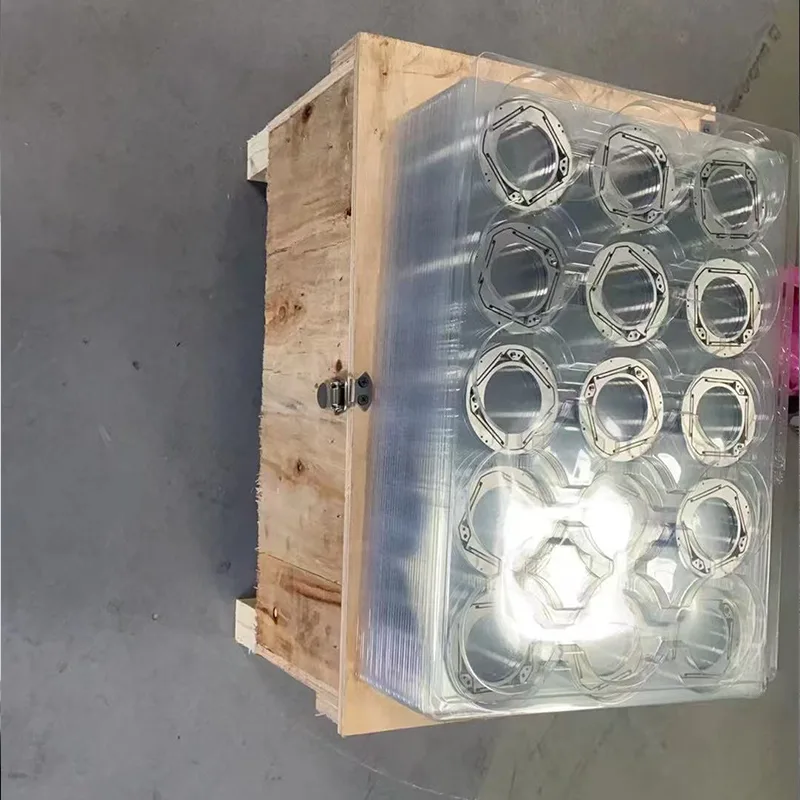
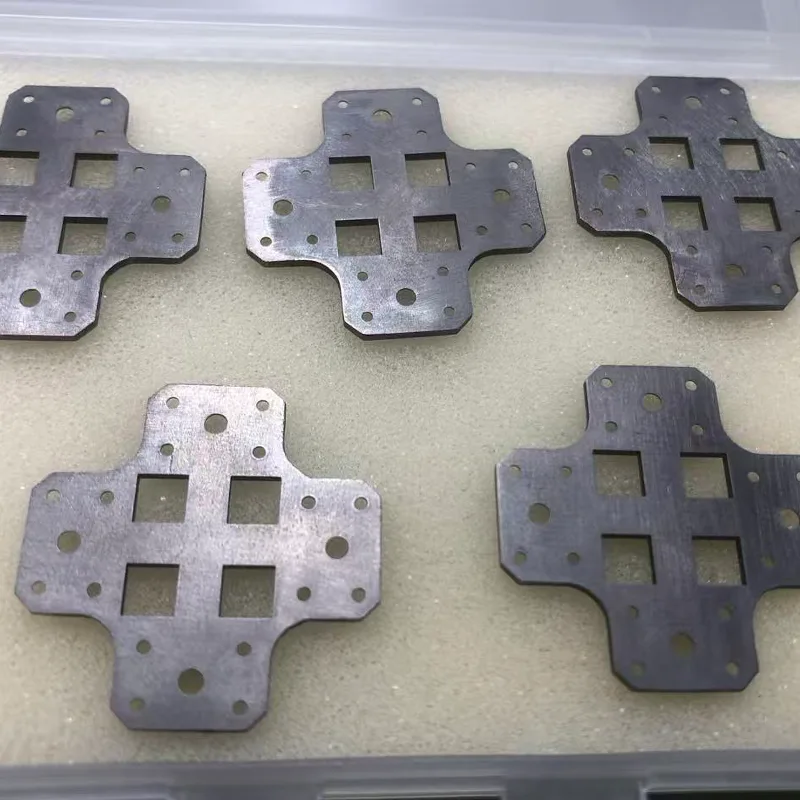
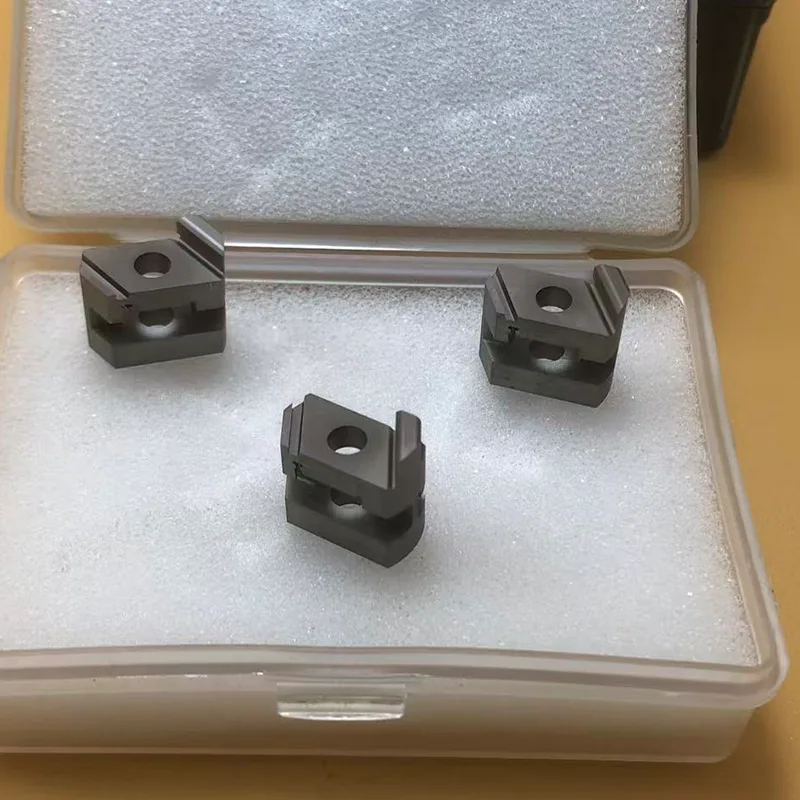
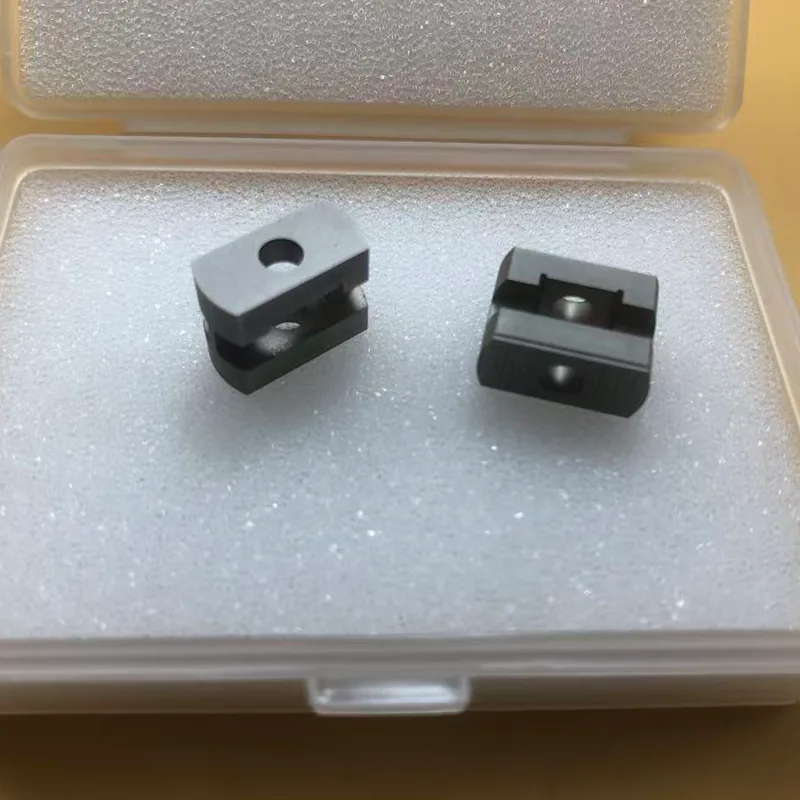
Laboratory Testing Machinery Parts
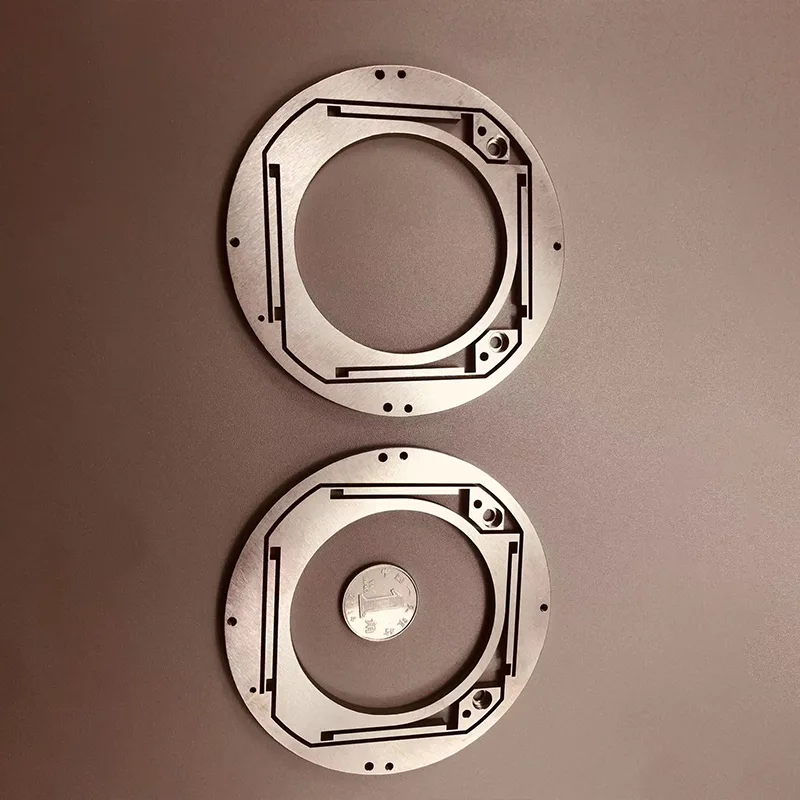
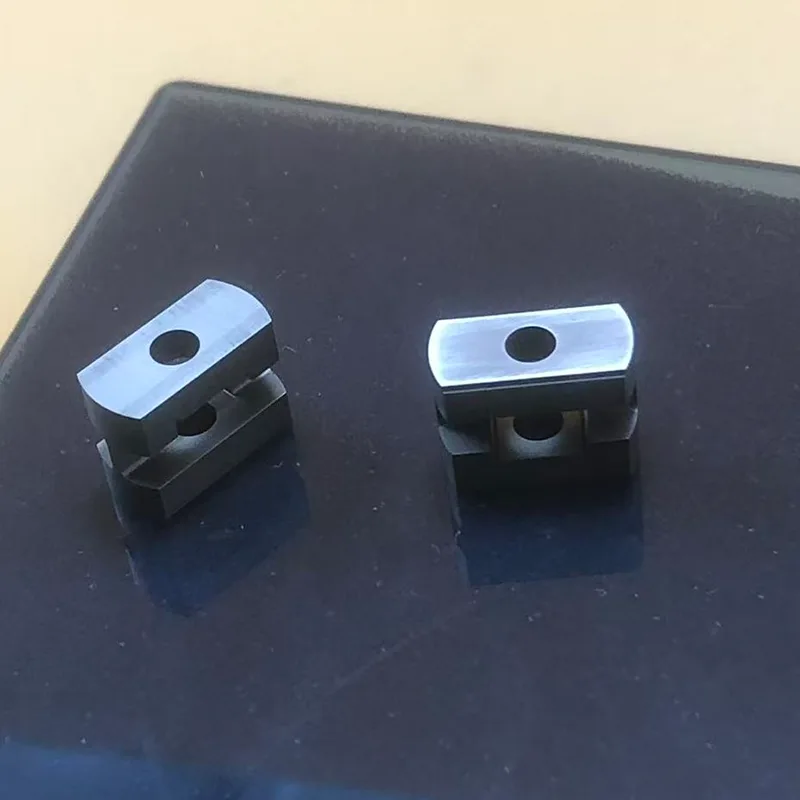
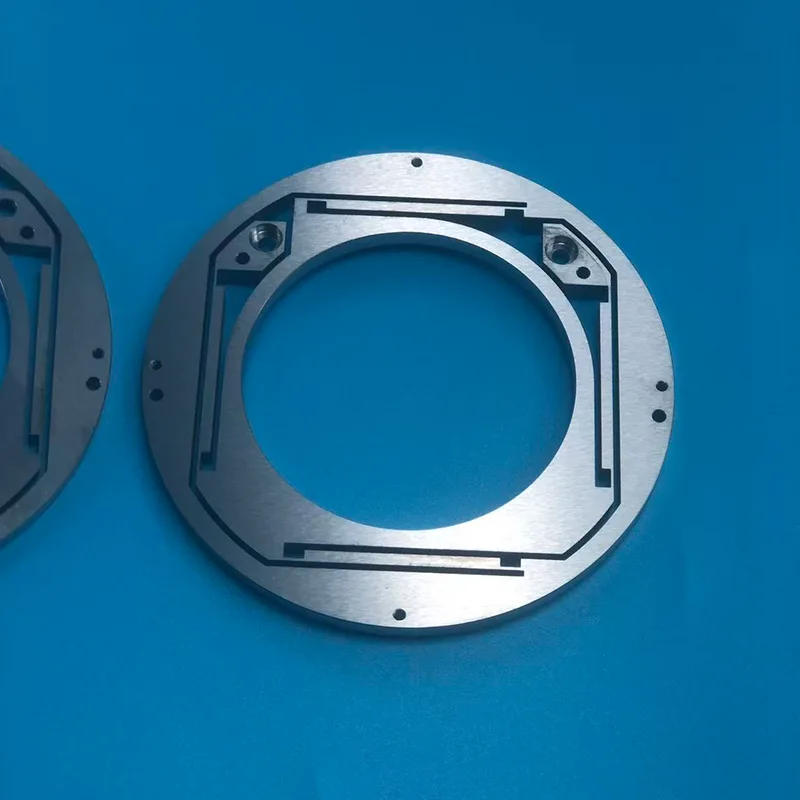
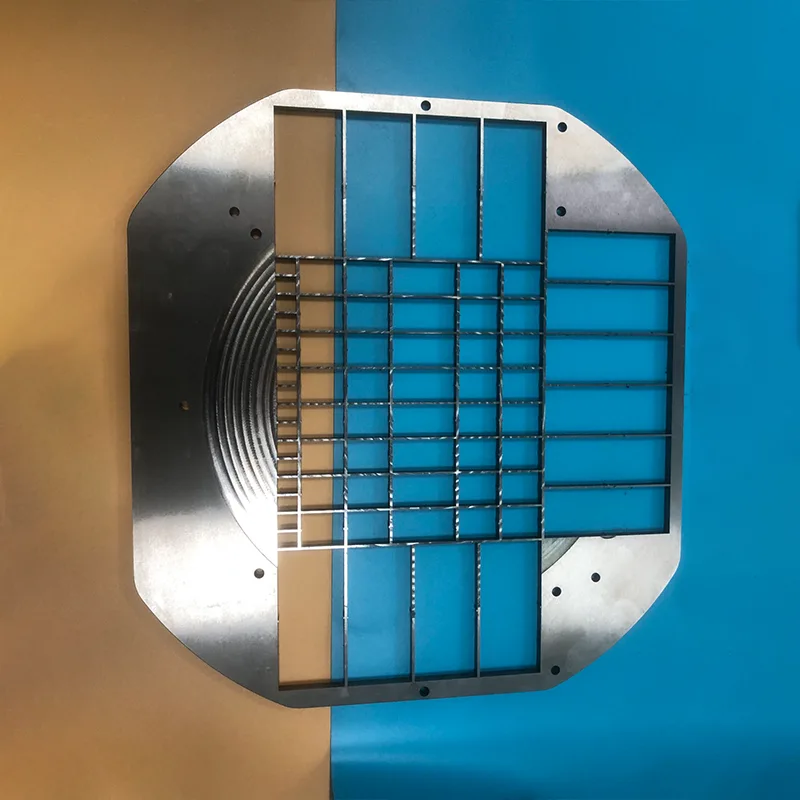
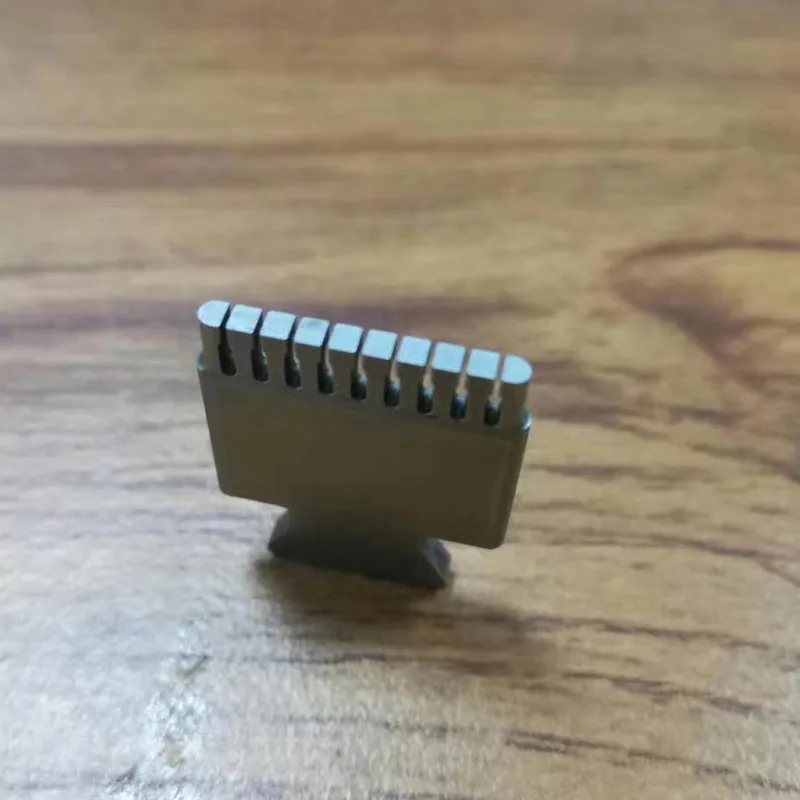
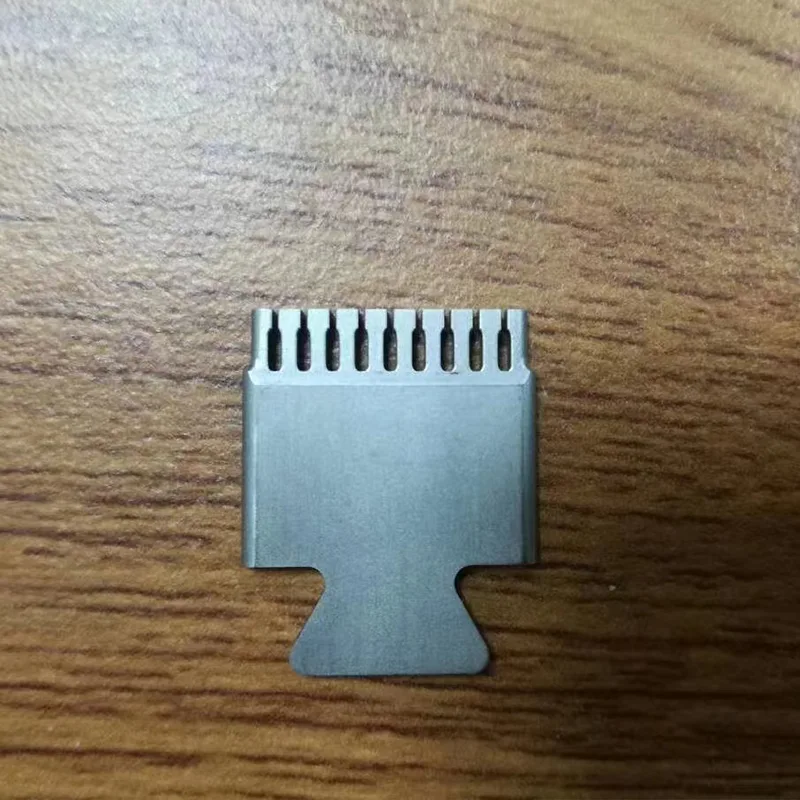
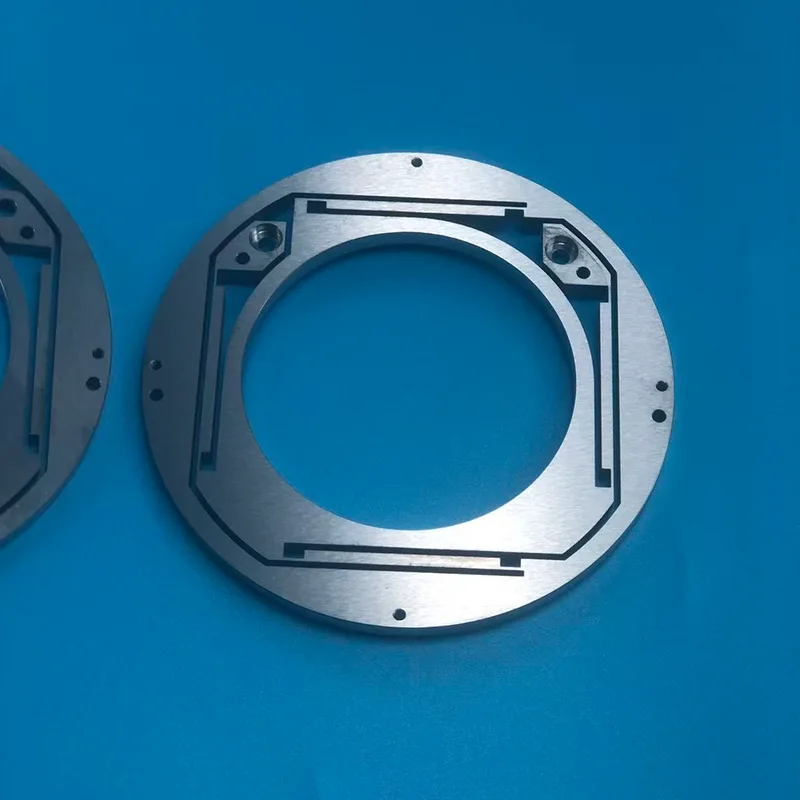
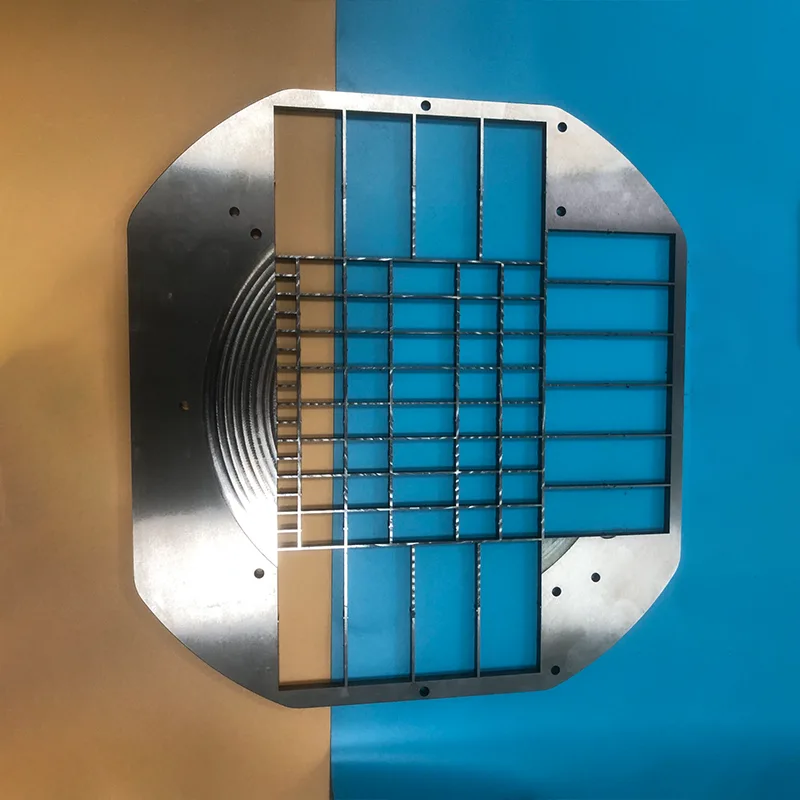
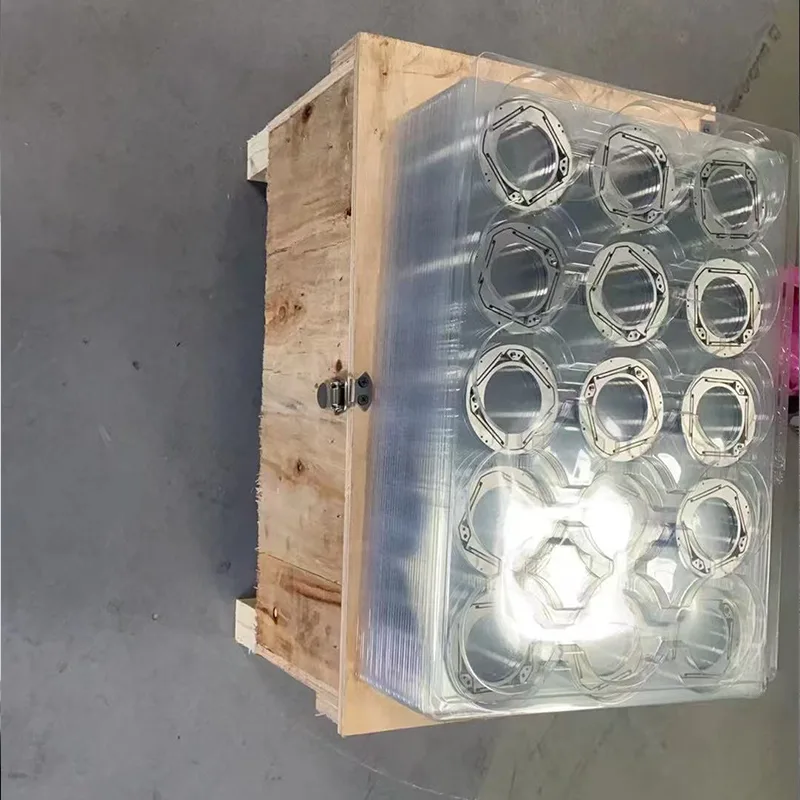
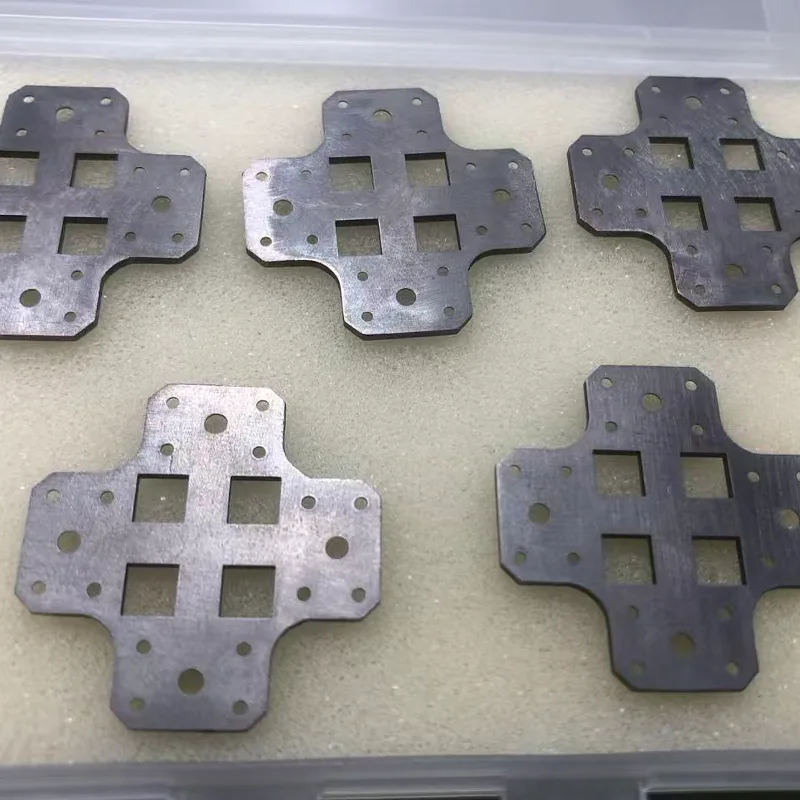
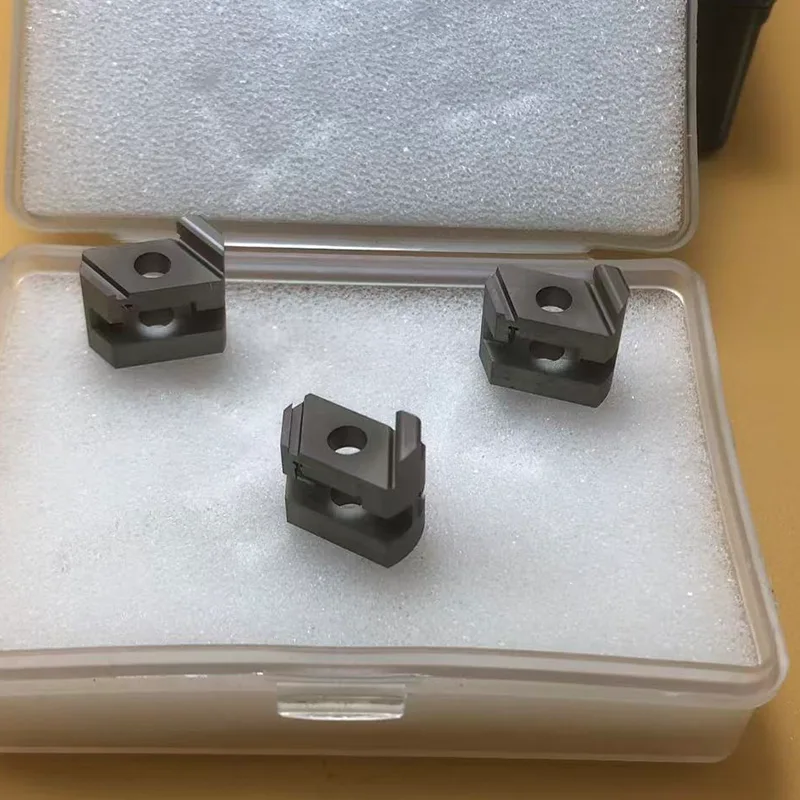
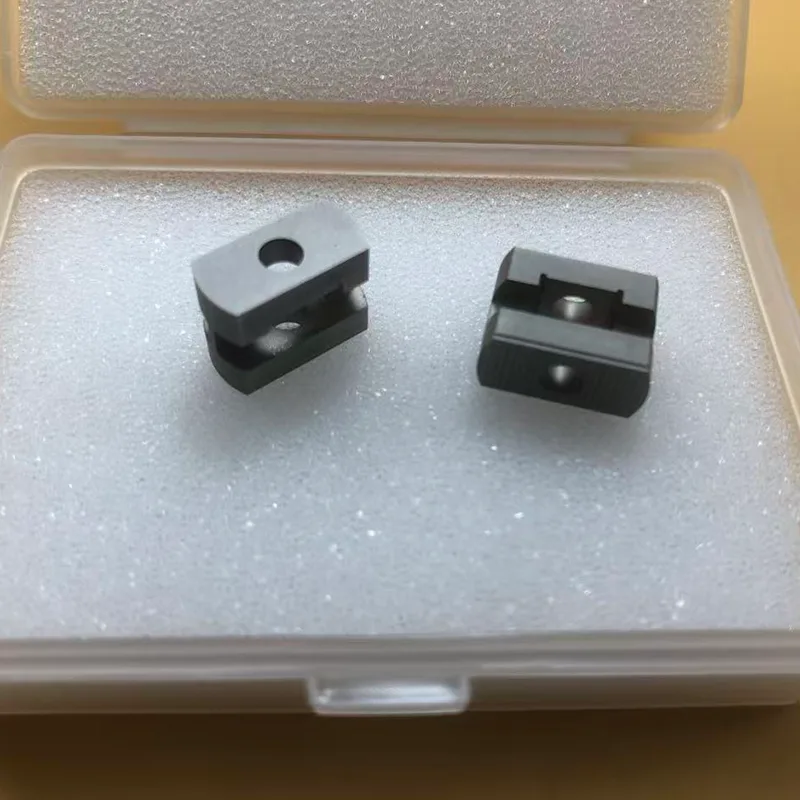
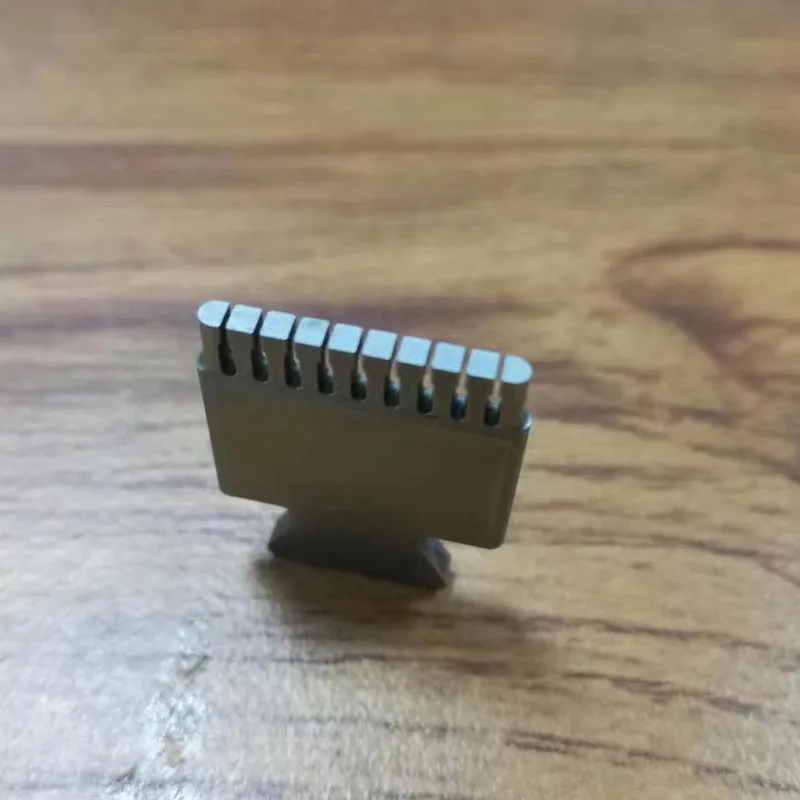
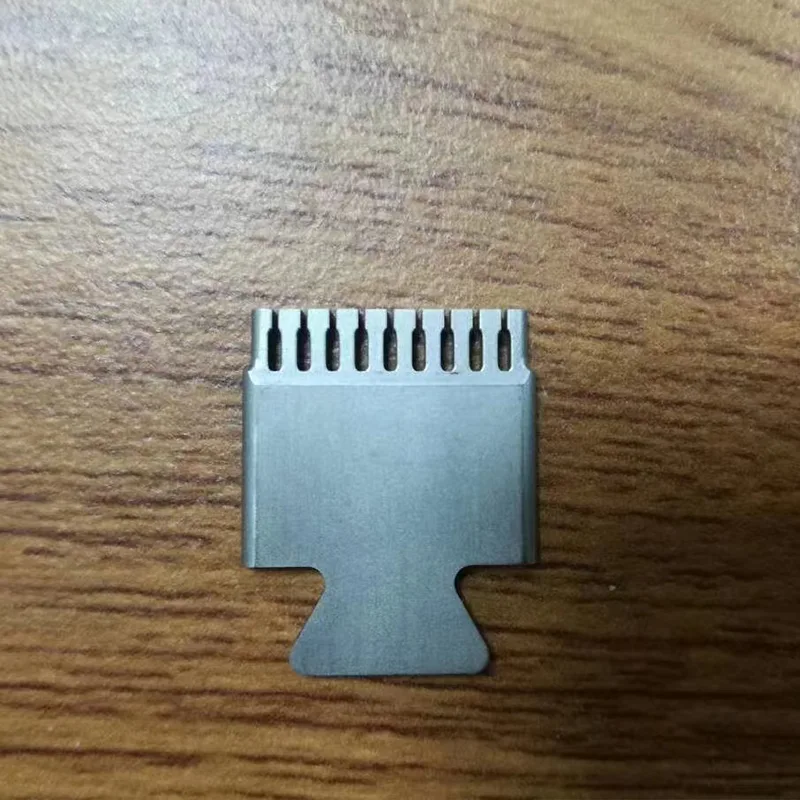
Xincheng is a professional China Laboratory Testing Machinery Parts manufacturer and supplier. It is a core basic component that supports the testing, accuracy verification, and reliability assessment of the mechanical properties of various materials and structures, and is widely used in professional laboratories in fields such as university research, industrial quality inspection, and military aerospace.
Send Inquiry
Product Description
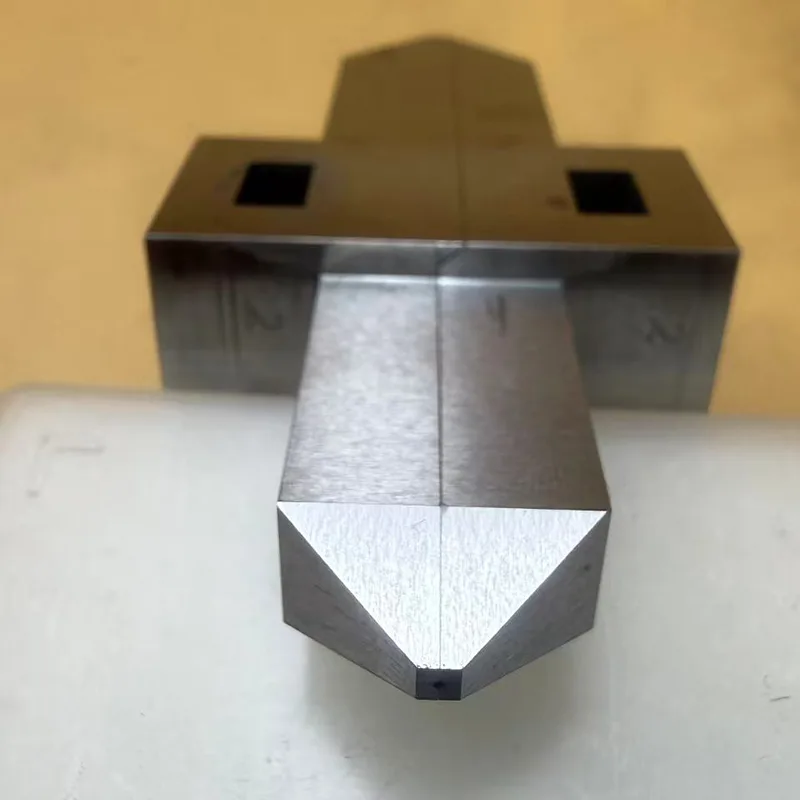
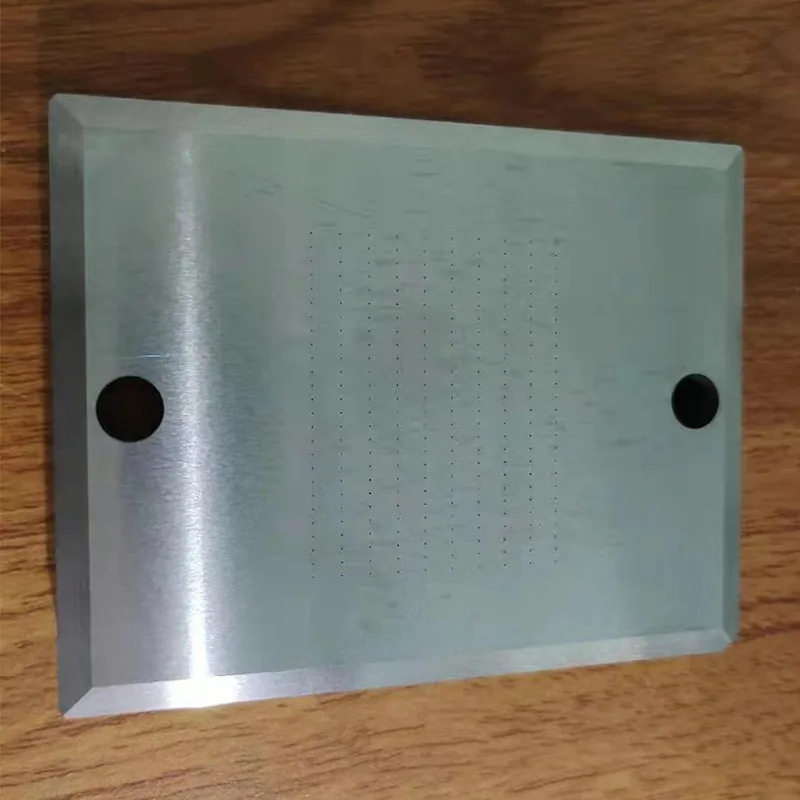
Laboratory Testing Machinery Parts are core foundational components supporting the testing, accuracy verification, and reliability assessment of various materials and structures' mechanical properties. They are widely used in professional laboratories across universities, research institutions, industrial quality control, and military/aerospace sectors. These components, acting as the "skeleton" and "joints" of testing equipment, directly determine the accuracy of test data, the stability of the testing process, and the safety of equipment operation, providing crucial support for ensuring the scientific reliability of experimental results.
Core Functional Positioning
Laboratory Testing Machinery Parts are designed with "precise load bearing, stable transmission, and safe protection" as their core objectives. Specific functions encompass the following four dimensions:
- Precise load transmission: As the core carrier for force and displacement transmission, it can precisely transmit the driving force (such as tensile force, compressive force, and torque) of the testing equipment to the sample under test, ensuring uniform and error-free load application and guaranteeing the authenticity of mechanical property test data.
- Precise positioning support: Through high-precision structural design, it provides a stable installation reference and adjustable positioning space for the samples under test, meeting the clamping requirements of samples of different sizes and shapes. At the same time, it ensures that the sample position does not shift during the testing process, improving the repeatability of the test.
- Motion control adaptation: In conjunction with the drive system of the testing equipment, it can achieve multi-mode movements such as uniform lifting, reciprocating circulation, and intermittent loading, adapting to various testing scenarios including tensile, compressive, bending, and fatigue tests, and meeting the requirements of different experimental standards.
- Safety protection guarantee: Integrated limit protection, overload buffer and other structural designs. In case of sudden situations such as sample breakage and abnormal load, it can quickly cut off the power transmission or absorb the impact energy, protecting the core components of the testing equipment and the safety of the operators.
Key Product Features
Laboratory Testing Machinery Parts, relying on stringent material selection and precision manufacturing processes, has developed four core features to meet high-standard experimental requirements:
1. High-Strength Material Adaptation: Selected according to the different levels of test loads. High-strength aluminum alloys (such as 6061-T6) are used for low-load scenarios, while alloy structural steel (such as 40CrNiMoA) and stainless steel (such as 304, 316L) are used for medium-to-high load scenarios. Titanium alloys or high-temperature alloys are used for some extreme environment test pieces, ensuring no deformation or fatigue damage under long-term stress, and the material's mechanical performance parameters are traceable.
2. Micron-level precision control: Dimensional tolerances of key mating surfaces are controlled within ±0.005mm, surface roughness is as low as Ra0.4μm or less, and clearances between sliding or rotating parts are less than 0.01mm, effectively reducing the interference of mechanical clearances on test data and ensuring the measurement accuracy of force, displacement, and other test indicators.
3. Environmental and wear resistance: The surface is strengthened by processes such as hard chrome plating, nitriding, and powder coating, maintaining stable performance even under special testing environments such as high and low temperatures (-60℃~300℃), humid heat, and corrosion (salt spray, chemical reagents). Moving friction pairs use self-lubricating materials or precision lubrication processes, controlling wear to less than 0.001mm per year, extending service life.
4. Modularization and versatility: Standardized interface design, such as ISO standard fixture interfaces, threaded connections, and quick-release structures, allows for rapid adaptation to different types of testing equipment such as universal testing machines, fatigue testing machines, and torsion testing machines. Customized modifications based on specific testing needs are also supported, reducing equipment upgrade costs.
Suitable Scenarios and Application Areas
Laboratory Testing Machinery Parts, with its high reliability and strong adaptability, widely serves the core testing processes in laboratories across multiple fields:
- Universities and Research Institutions: Adapted to materials mechanics laboratories and structural engineering laboratories, used for research testing such as new material performance exploration and structural optimization design, including high-temperature tensile testing of aerospace materials and fatigue life testing of building materials.
- Industrial Manufacturing Quality Inspection: Applied to the factory quality inspection of automotive parts, machined parts, electronic components, etc., such as strength testing of engine connecting rods, wear resistance testing of bearings, and torque testing of bolts.
- Military and Special Fields: Meets the extreme environment testing needs of military products and aerospace components, such as high and low temperature cycle testing of spacecraft structural components and impact resistance testing of military materials, ensuring the reliability and safety of special products.
Related Category
Send Inquiry
Please Feel free to give your inquiry in the form below. We will reply you in 24 hours.
Related Products

 Xincheng
 Xincheng