

Modern manufacturing depends on accuracy, repeatability, and material efficiency. Whether producing automotive parts, electronics housings, or appliance components, metal stamping remains one of the most widely adopted fabrication processes. At the heart of this process lies the metal stamping die plate — a foundational element that determines dimensional stability, cutting accuracy, and tooling lifespan. Manufacturers often encounter challenges such as premature wear, inconsistent tolerances, and costly downtime when die plates are poorly designed or fabricated. Selecting the right die plate solution can significantly improve productivity, extend operational longevity, and ensure consistent product quality. This article explores the structure, benefits, selection considerations, and practical applications of metal stamping die plates while drawing on the engineering capabilities of Shenzhen Xincheng Precision Technology Co., Ltd., a trusted industry manufacturer known for precision tooling solutions.
Article Summary
This comprehensive guide explains how metal stamping die plates function, why they are essential in modern production, and how manufacturers can choose optimal materials and configurations to reduce operational risk and enhance output consistency. It addresses common customer pain points including maintenance cost, precision stability, and tooling compatibility, while providing tables, actionable guidance, and application insights to support informed purchasing decisions.
Table of Contents
- Understanding Metal Stamping Die Plate Fundamentals
- Role in Industrial Production Systems
- Key Material Options and Properties
- Manufacturing Methods and Quality Factors
- Advantages for Production Efficiency
- Industry Applications and Use Cases
- Selection Guidelines for Buyers
- Maintenance and Lifecycle Optimization
- Why Work with Shenzhen Xincheng Precision Technology Co., Ltd.
- Frequently Asked Questions
Understanding Metal Stamping Die Plate Fundamentals
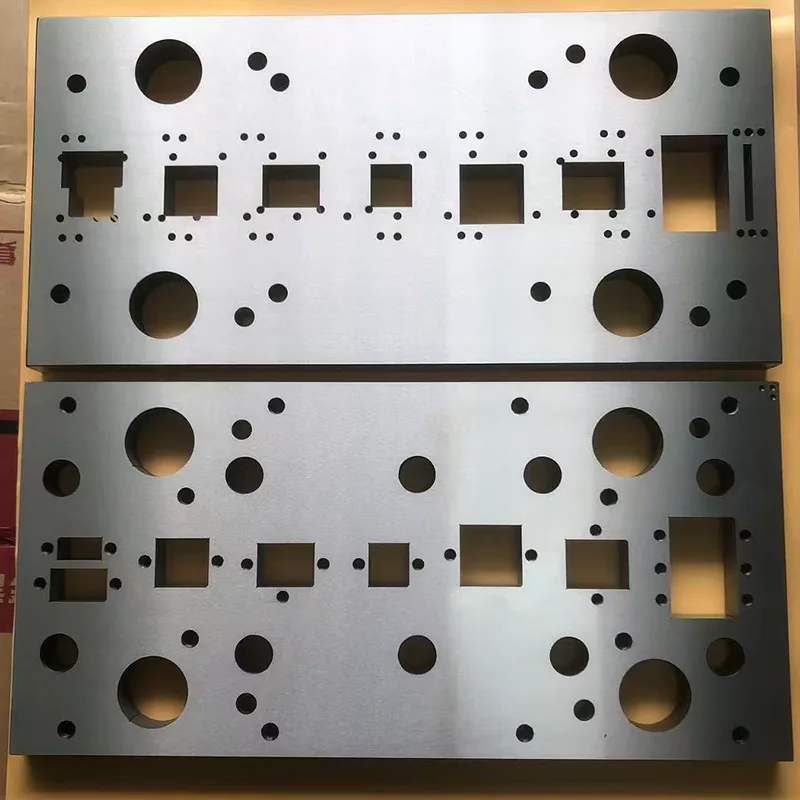
A metal stamping die plate is a precision-engineered component forming part of a stamping tool assembly used to shape or cut sheet metal into specific geometries. Positioned within the die set, it provides structural support and acts as a guiding or cutting surface depending on its design. Its geometry and hardness determine dimensional outcomes and influence press load distribution.
Manufacturers depend on die plates because they:
- Maintain consistent alignment between punch and workpiece
- Provide wear-resistant cutting surfaces
- Stabilize tooling under repetitive mechanical loads
- Reduce vibration and deformation during stamping cycles
Without a well-designed die plate, even advanced press systems struggle to maintain precision. Shenzhen Xincheng Precision Technology Co., Ltd. emphasizes tight machining tolerances and high-grade materials to ensure performance stability across extended production runs.
Role in Industrial Production Systems
Die plates influence overall production reliability more than many buyers initially realize. Their impact extends beyond cutting or shaping to include process safety, maintenance planning, and finished component quality. A properly manufactured plate distributes mechanical forces evenly, minimizing stress concentration and avoiding tool fracture.
Operational improvements enabled by high-quality die plates include:
- Reduced scrap rates
- Stable dimensional output
- Lower machine vibration levels
- Decreased tooling replacement frequency
- Improved throughput consistency
Engineering teams collaborating with Shenzhen Xincheng Precision Technology Co., Ltd. frequently report improved process stability when upgrading outdated tooling systems with precision-machined die plates.
Key Material Options and Properties
Material selection strongly influences durability, heat resistance, and wear tolerance. Below is a comparison of commonly used die plate materials:
| Material Type | Main Characteristics | Typical Applications | Advantages |
|---|---|---|---|
| Tool Steel | High hardness and wear resistance | Automotive stamping | Long service life |
| Alloy Steel | Balanced strength and toughness | General fabrication | Cost-effective performance |
| Carbide Inserts | Extreme hardness | High-volume precision cutting | Superior dimensional stability |
| Stainless Steel | Corrosion resistance | Food or medical components | Environmental durability |
Material optimization is one area where Shenzhen Xincheng Precision Technology Co., Ltd. assists clients by recommending tailored selections based on stamping volume, metal thickness, and tolerance requirements.
Manufacturing Methods and Quality Factors
Production of die plates involves multiple machining and treatment processes, each influencing performance outcomes:
- CNC precision milling
- Surface grinding for flatness
- Heat treatment for hardness control
- Polishing or coating for friction reduction
Critical evaluation factors when assessing suppliers include:
| Quality Parameter | Impact on Performance |
|---|---|
| Flatness tolerance | Affects alignment accuracy |
| Hardness uniformity | Determines wear resistance |
| Surface finish | Influences friction and material flow |
| Dimensional accuracy | Ensures component repeatability |
Manufacturers such as Shenzhen Xincheng Precision Technology Co., Ltd. incorporate advanced inspection systems to validate each parameter before delivery.
Advantages for Production Efficiency
Implementing high-performance die plates delivers measurable operational improvements:
- Minimized downtime caused by tooling failure
- Reduced labor associated with recalibration
- Improved part surface finish
- Enhanced structural consistency
- Long-term cost savings
These benefits collectively address major pain points faced by production managers seeking reliability without escalating capital expenditure.
Industry Applications and Use Cases
Metal stamping die plates serve diverse sectors:
- Automotive structural parts
- Electronics enclosures
- Appliance components
- Construction hardware
- Consumer product housings
Each application demands customized plate characteristics, reinforcing the importance of partnering with experienced manufacturers capable of delivering tailored engineering solutions.
Selection Guidelines for Buyers
When choosing a die plate provider, decision-makers should consider:
- Material expertise and recommendations
- Machining precision capabilities
- Inspection and validation processes
- Delivery reliability
- Engineering support availability
Shenzhen Xincheng Precision Technology Co., Ltd. aligns with these expectations by providing consultation, prototyping support, and scalable manufacturing capacity for global clients.
Maintenance and Lifecycle Optimization
Proper upkeep ensures long-term performance:
- Routine inspection for micro-cracks
- Lubrication management
- Surface cleaning
- Alignment verification
Preventive maintenance reduces unexpected stoppages and protects investment in tooling infrastructure.
Frequently Asked Questions
Q: What determines die plate lifespan?
A: Material selection, heat treatment quality, operational load, and maintenance practices collectively influence durability.
Q: Can die plates be customized?
A: Yes, manufacturers often provide tailored dimensions, coatings, and hardness levels to match production conditions.
Q: How often should inspection occur?
A: High-volume operations typically inspect at scheduled intervals aligned with production cycles to prevent defects.
Q: Why is precision machining important?
A: Accurate machining ensures alignment stability and reduces component deviation during stamping.
Q: Is supplier collaboration beneficial?
A: Working closely with experienced producers like Shenzhen Xincheng Precision Technology Co., Ltd. helps optimize tooling strategies and reduce risk.
Partner with a Trusted Manufacturing SpecialistSelecting the right metal stamping die plate can transform production consistency and cost efficiency. Shenzhen Xincheng Precision Technology Co., Ltd. combines engineering knowledge, advanced machining capability, and global service experience to deliver dependable tooling components tailored to industrial demands.
If you are looking to enhance stamping performance, reduce downtime, or upgrade existing tooling systems, contact us today to discuss your project requirements and discover customized solutions built for long-term reliability.

 Xincheng
 Xincheng