

Semiconductor Lead Frame Parts
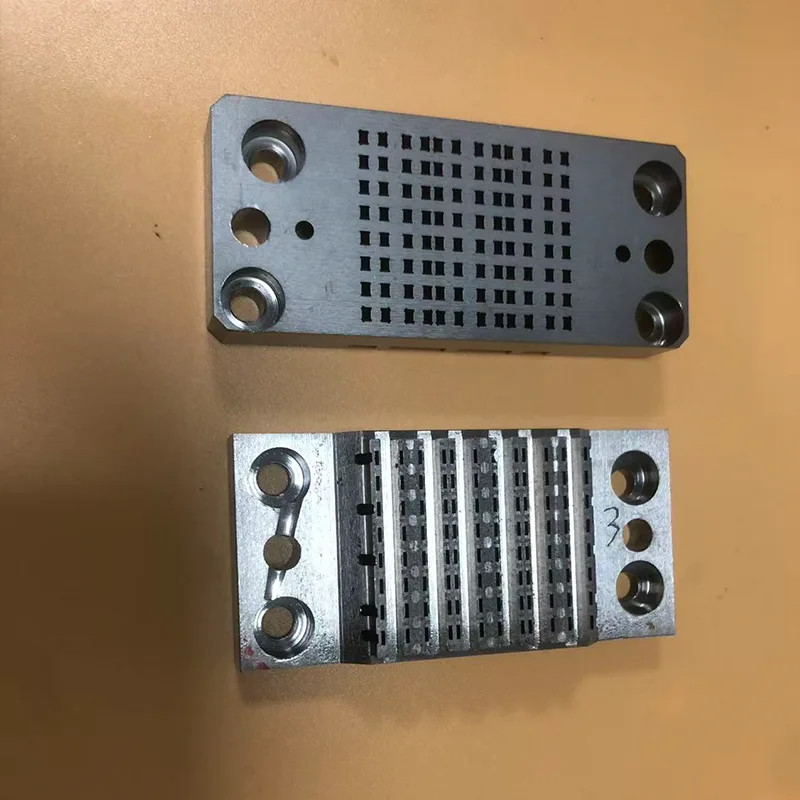
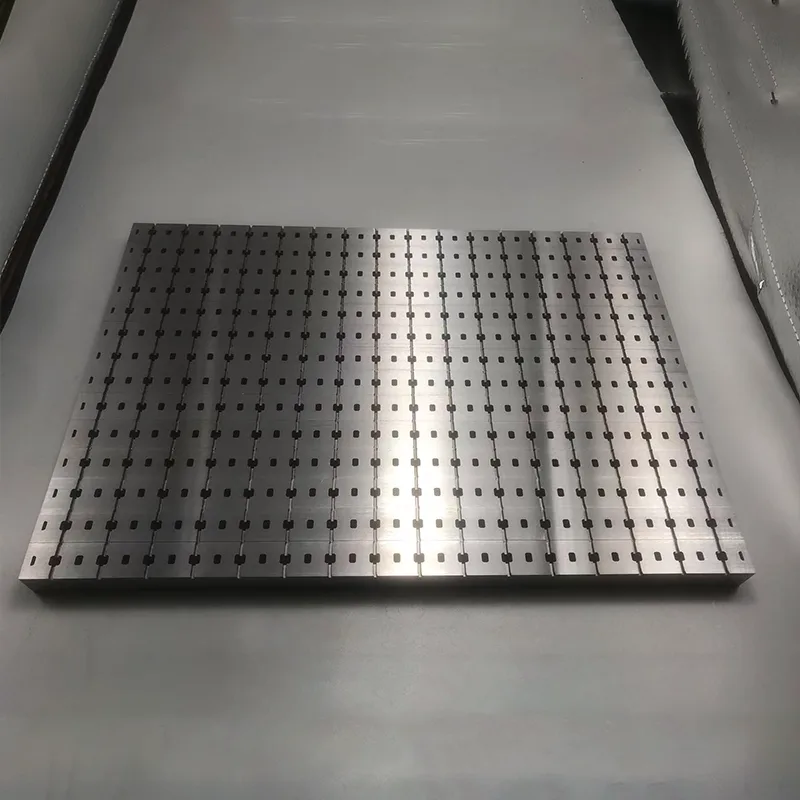
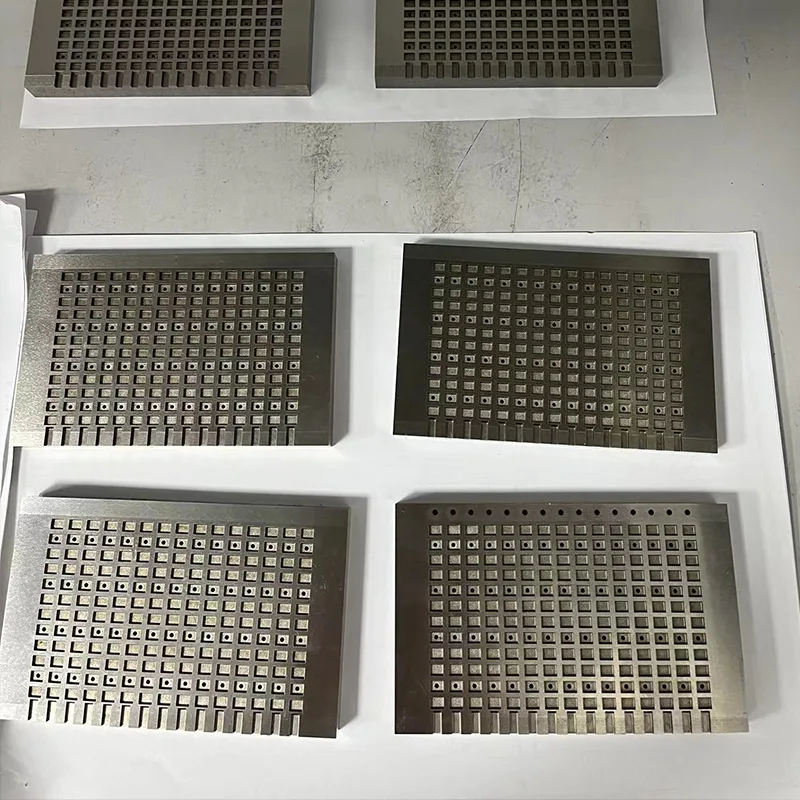
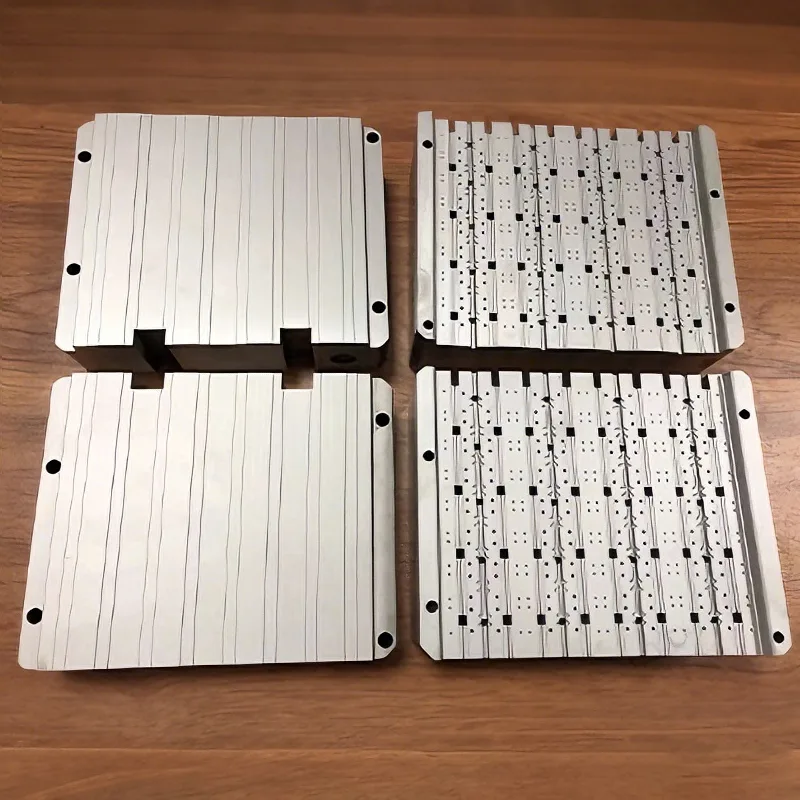
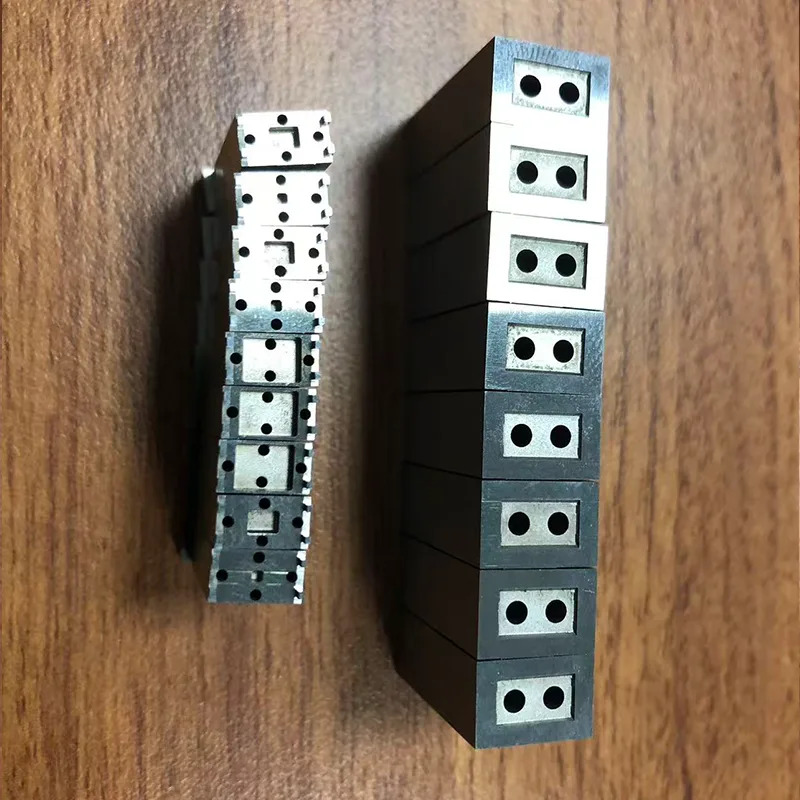
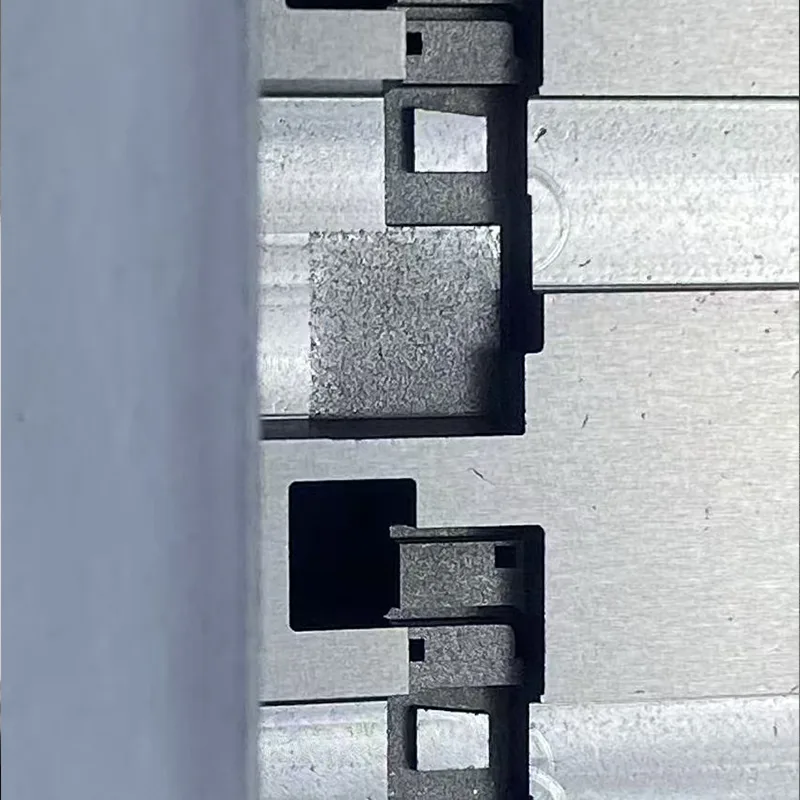
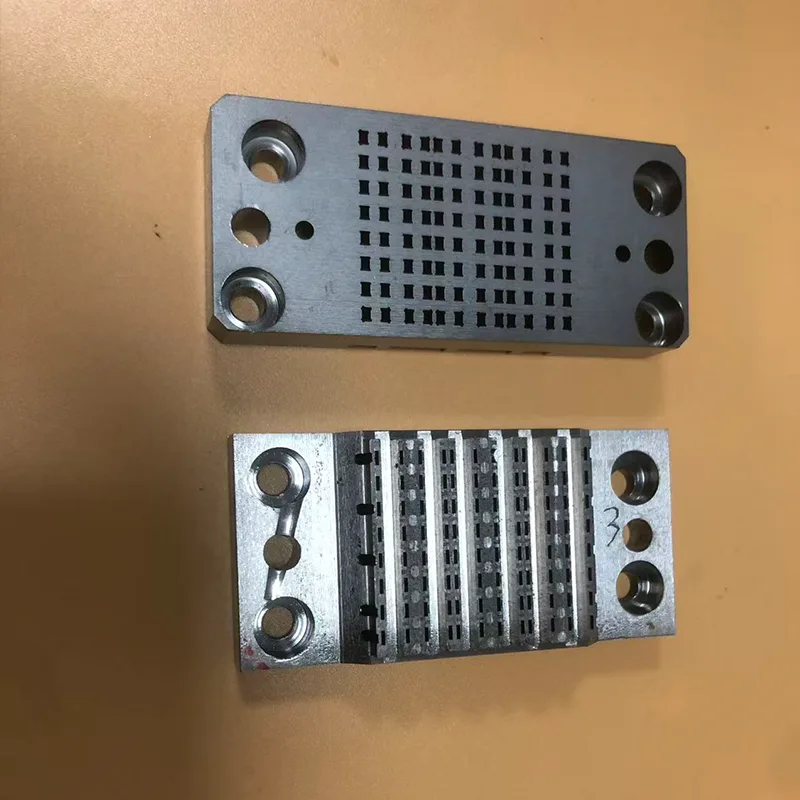
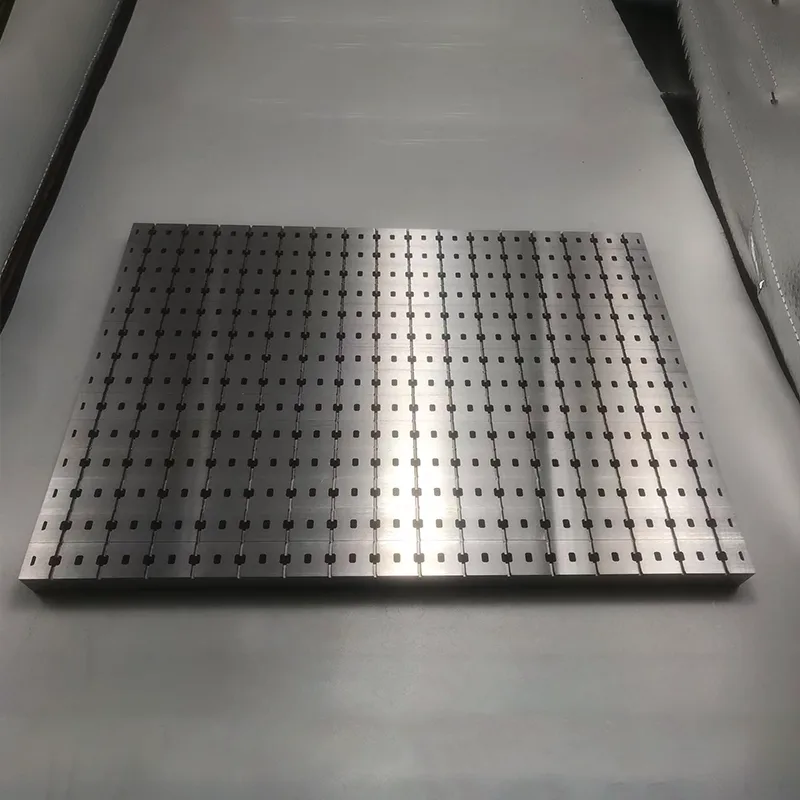
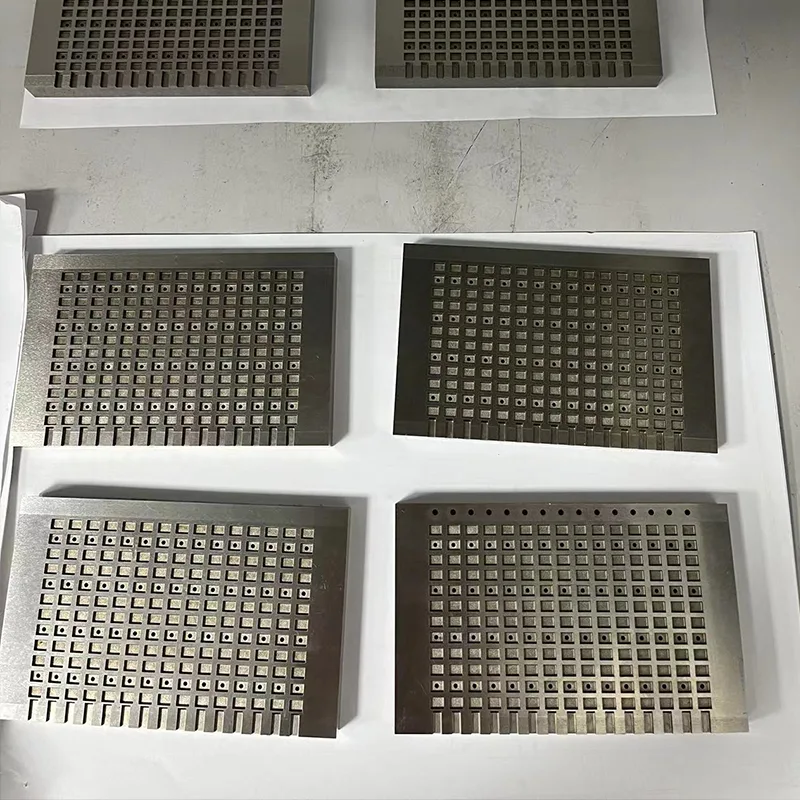
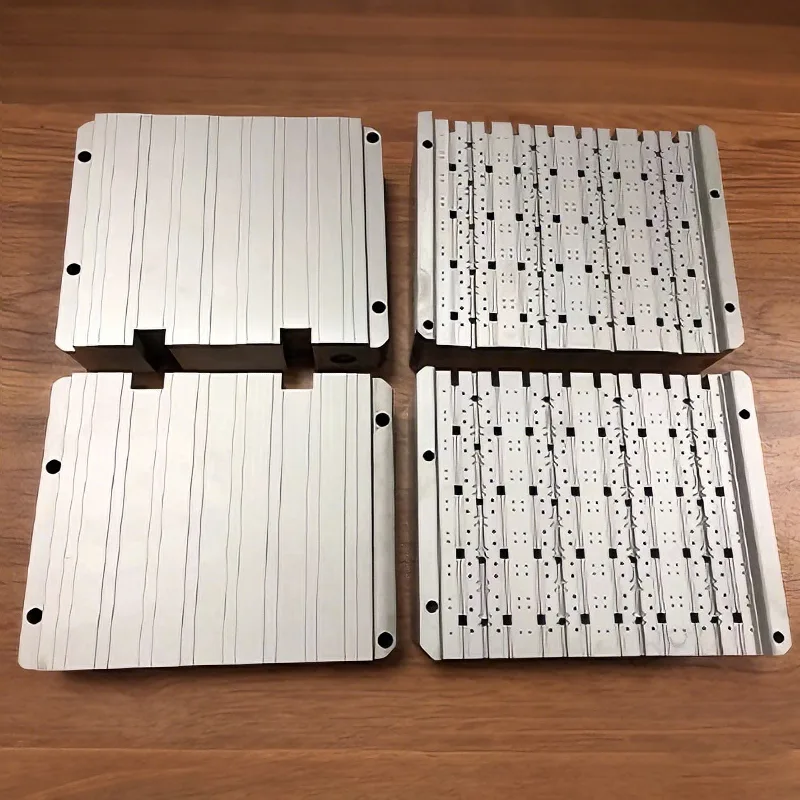
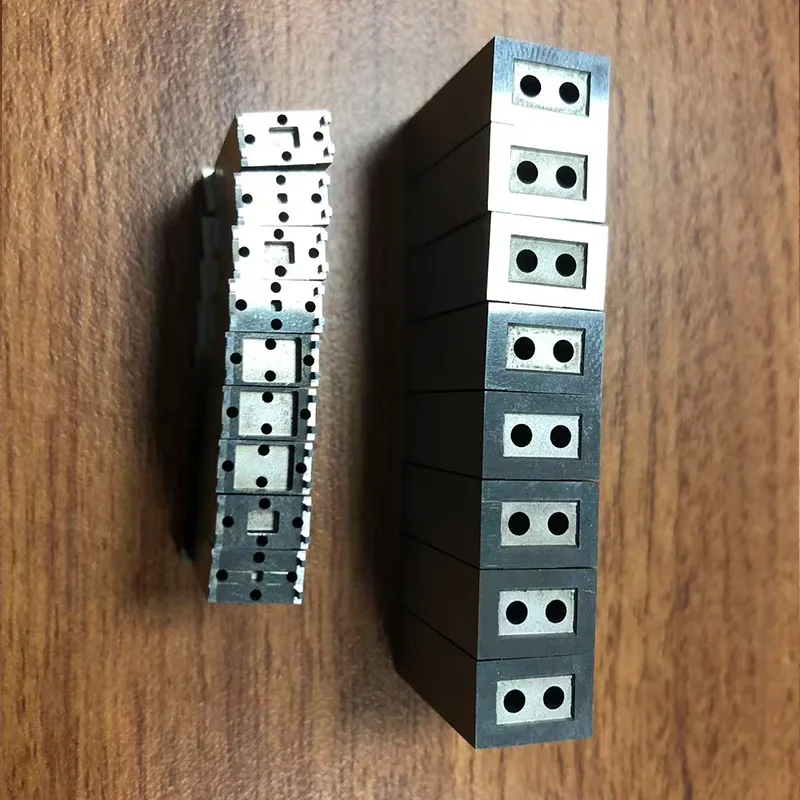
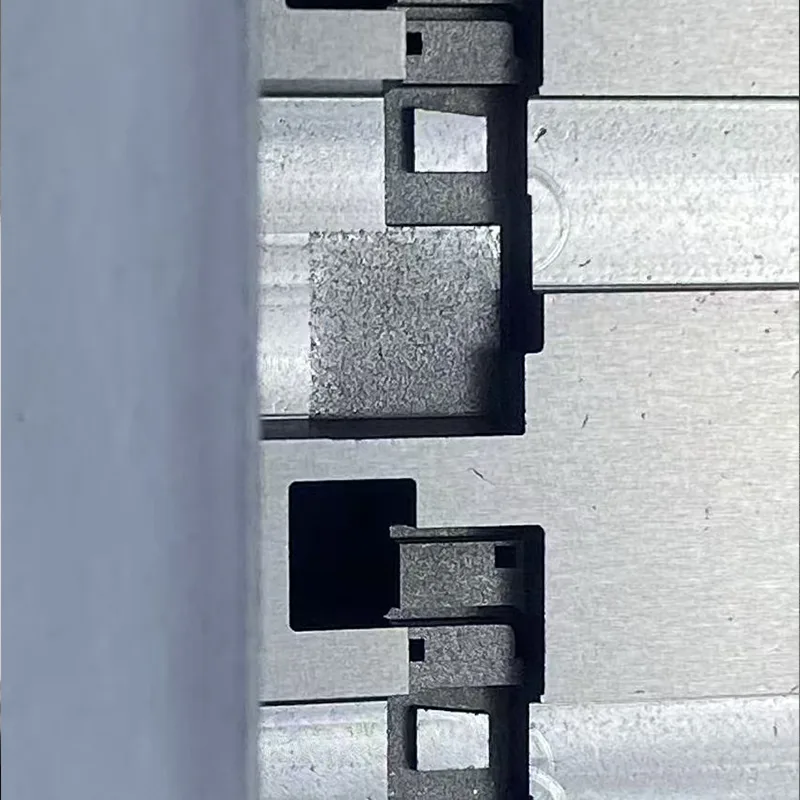
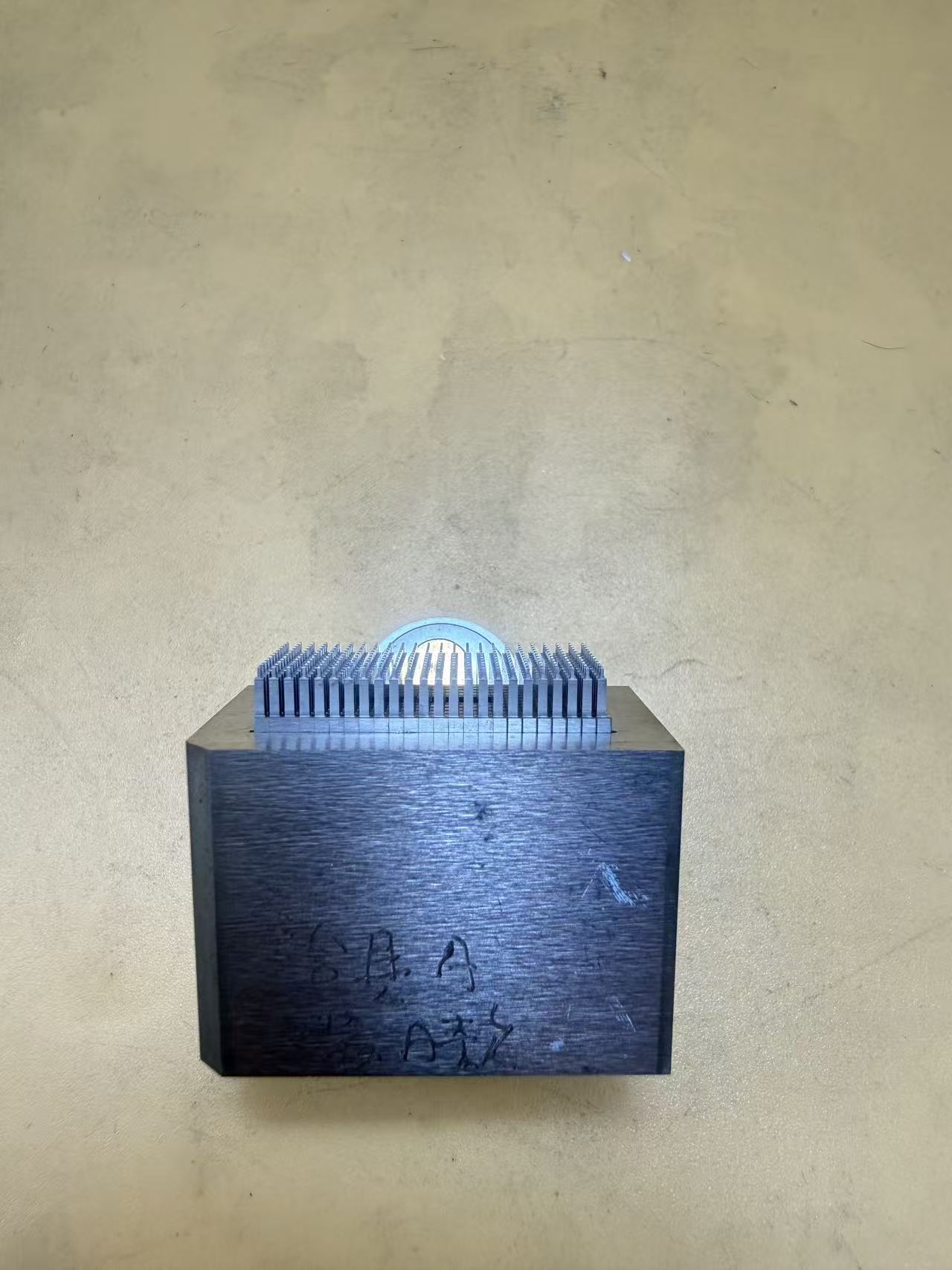
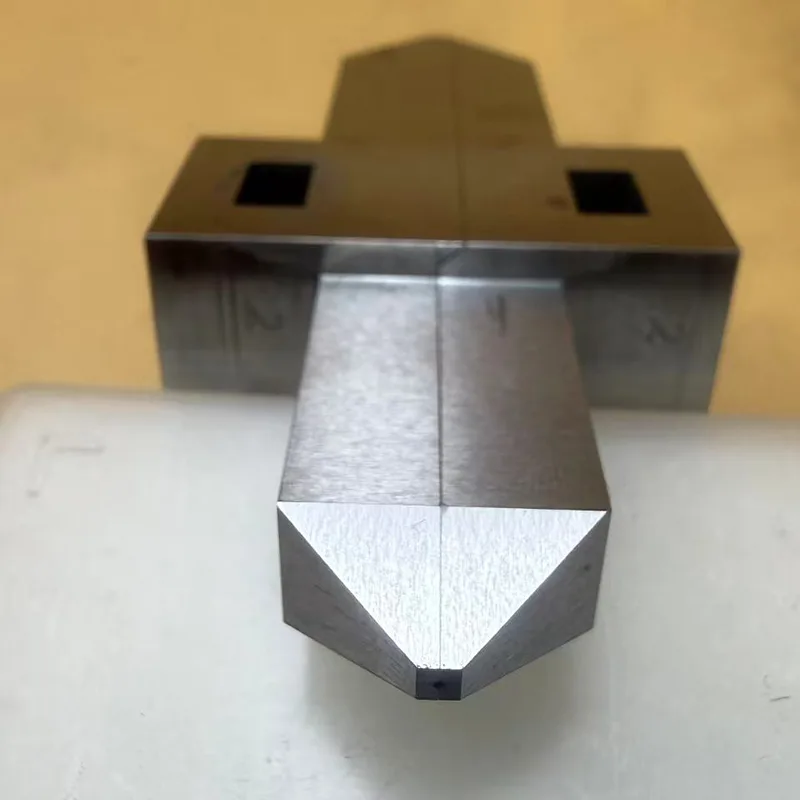
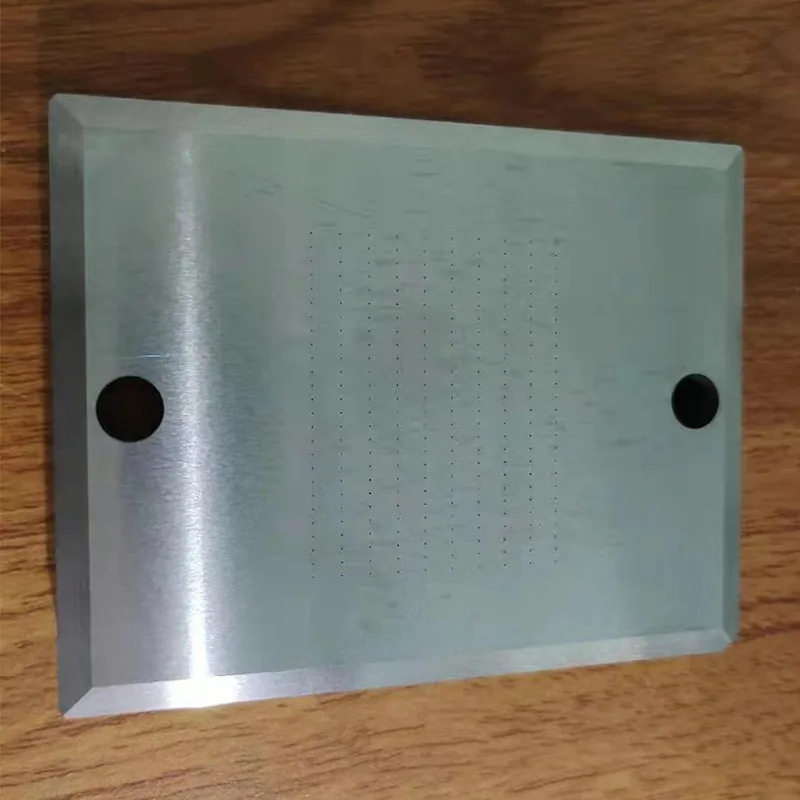
Xincheng is China manufacturer & supplier who mainly produces Semiconductor Lead Frame Parts with many years of experience. Semiconductor leadframe components are core structural components of semiconductor packaging, undertaking the key functions of chip support, signal transmission, and heat dissipation. They are core components that act as a "bridge" connecting the chip and external circuits.
Send Inquiry
Product Description
Core Functional Positioning of Semiconductor Lead Frame Parts
Mechanical support: Precisely bears the chip and fixes it in the packaging structure to ensure the stability of the packaging process.
Electrical signal transmission: The electrical connection between the chip pins and the external PCB board is achieved through preset pins to transmit electrical signals.
Thermal management: Quickly dissipate the heat generated by the chip during operation, reduce heat loss, and ensure the stable operation of the device.
Packaging adaptation: Provides positioning references for subsequent packaging processes such as plastic packaging and brazing to ensure packaging accuracy.
Key Characteristics of Semiconductor Lead Frame Parts
Material Adaptation: Primarily uses copper alloys (such as C194 and C7025) and iron-nickel alloys (such as Alloy 42), combining high electrical and thermal conductivity with mechanical strength.
Precision Manufacturing: Pin pitch can be as small as 0.2mm, with dimensional tolerances controlled at ±0.01mm, meeting high-density packaging requirements.
Surface Treatment: Processed with silver, gold, and tin plating to improve oxidation resistance and solderability, extending device lifespan.
Diverse Structures: Covering various package types including QFP, SOP, TO, and DFN, supporting differentiated designs such as single-row/dual-row pins and pinless designs.
Application Scenarios
Semiconductor Lead Frame Parts are widely used in power devices, integrated circuits (ICs), sensors, LEDs, MCUs, and other semiconductor products, adapting to end-user fields such as consumer electronics, automotive electronics, industrial control, new energy, and communication equipment.
Related Category
Send Inquiry
Please Feel free to give your inquiry in the form below. We will reply you in 24 hours.
Related Products

 Xincheng
 Xincheng