

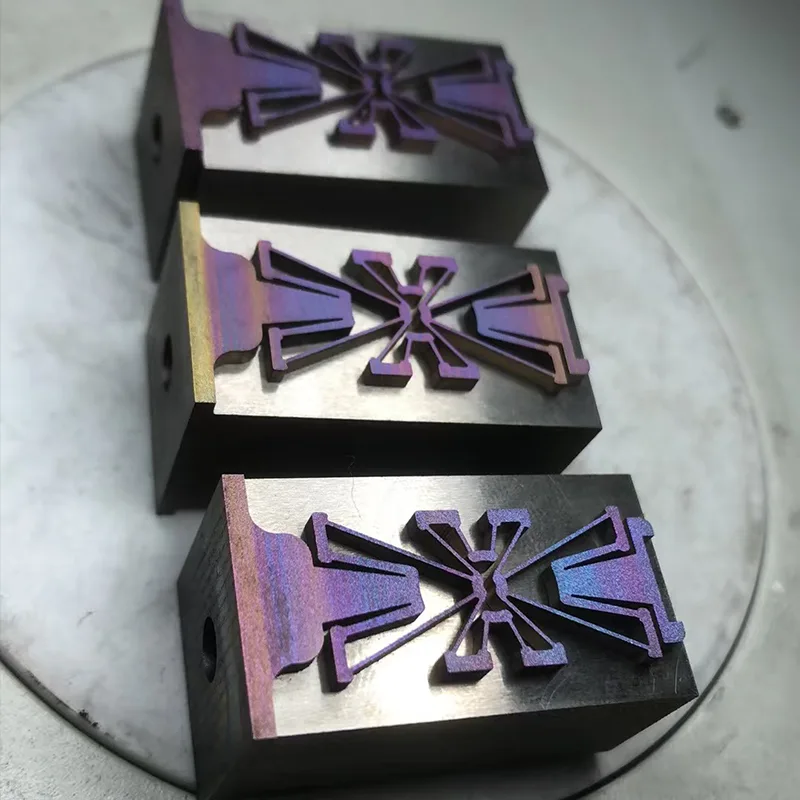
University and Research Machinery Parts
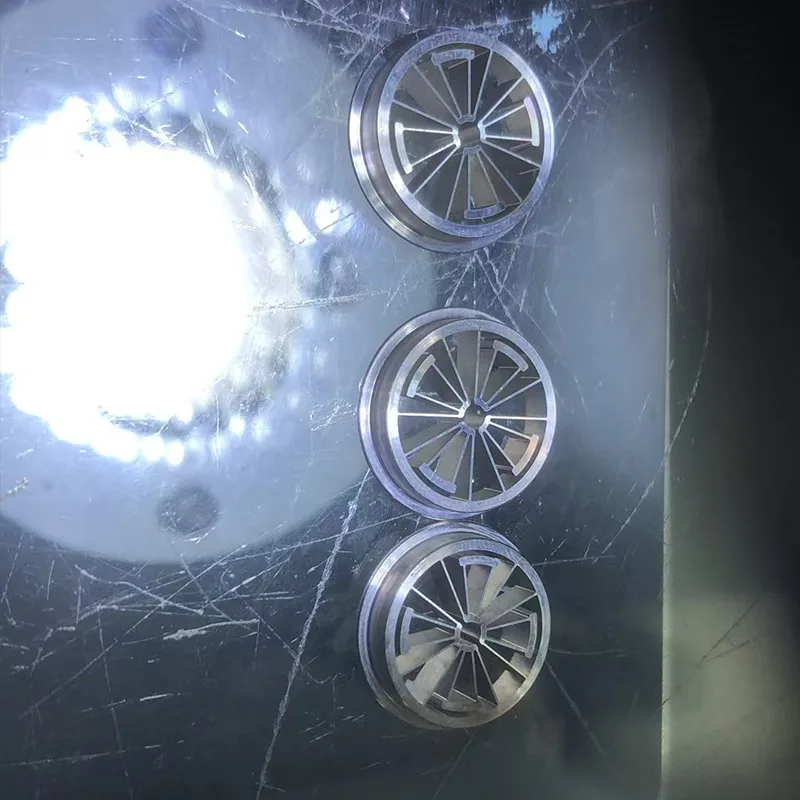
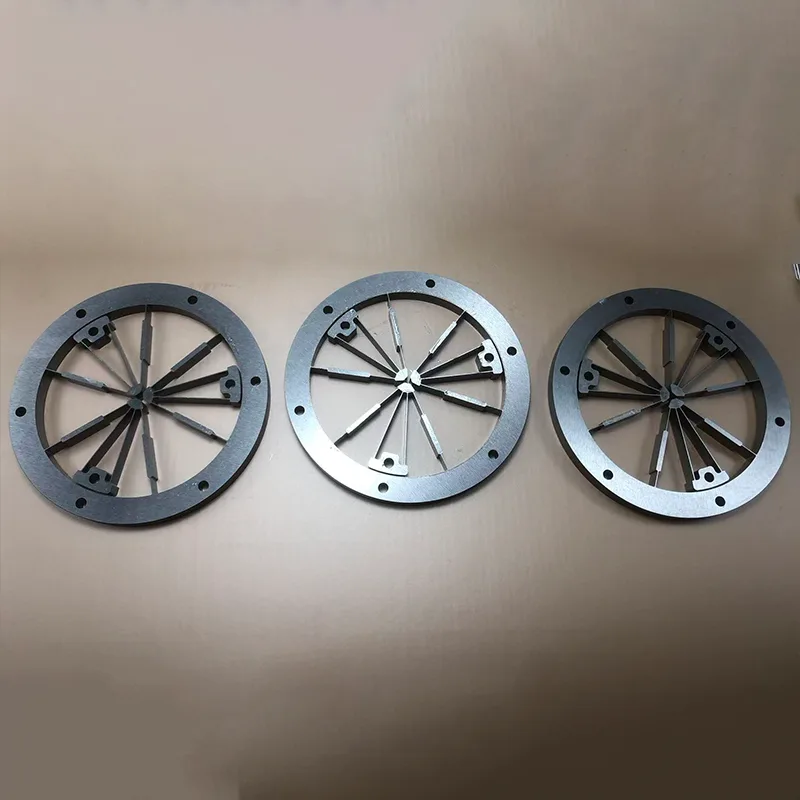
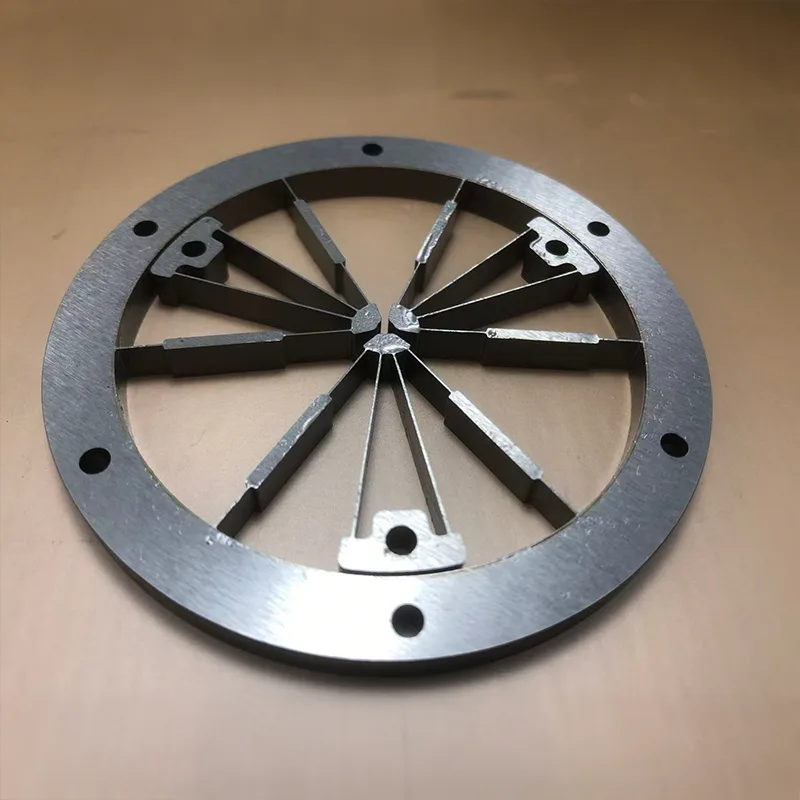
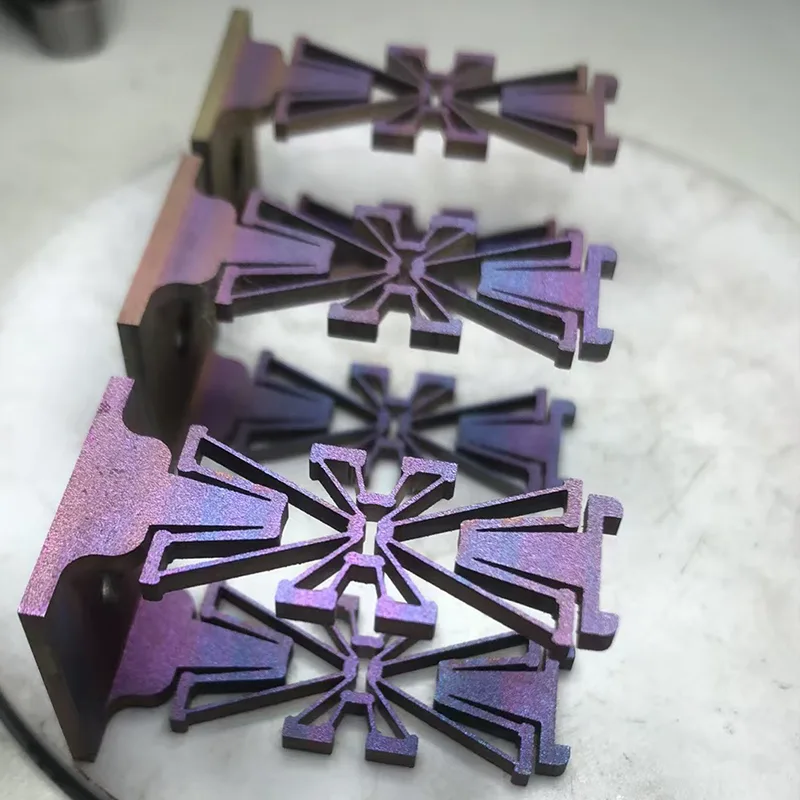
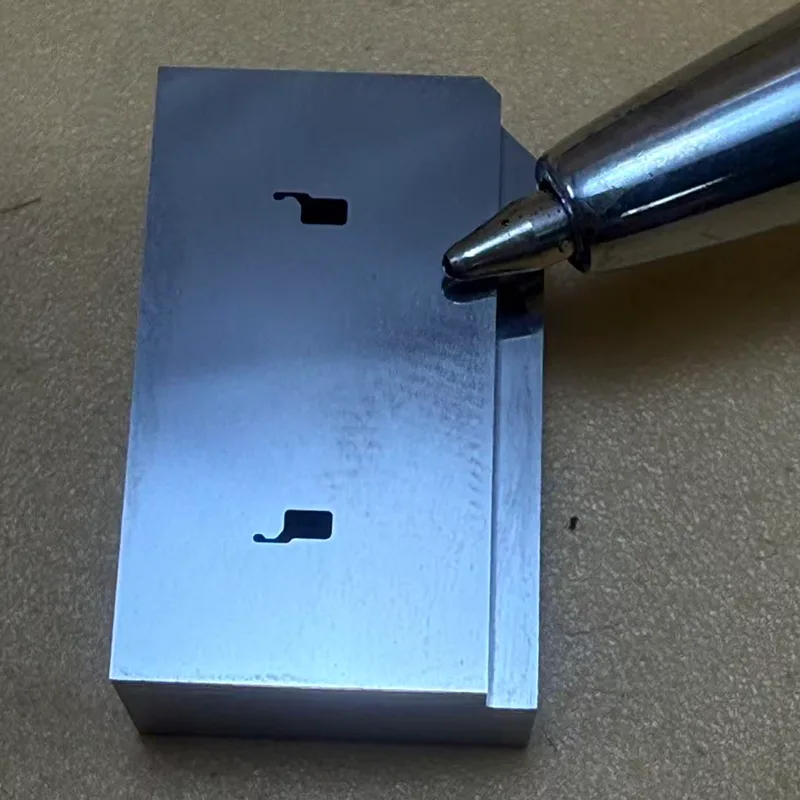
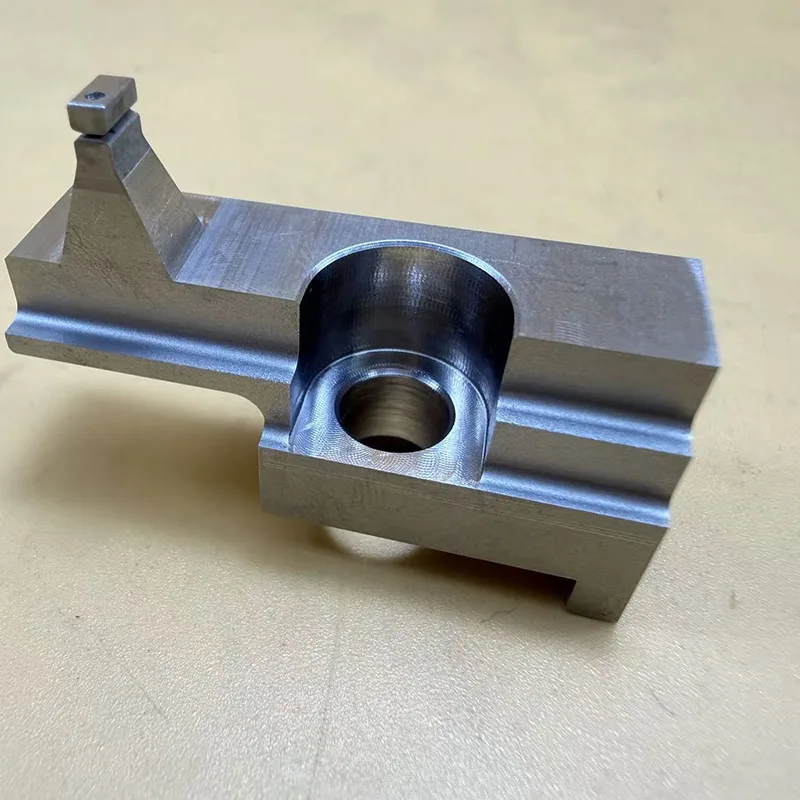
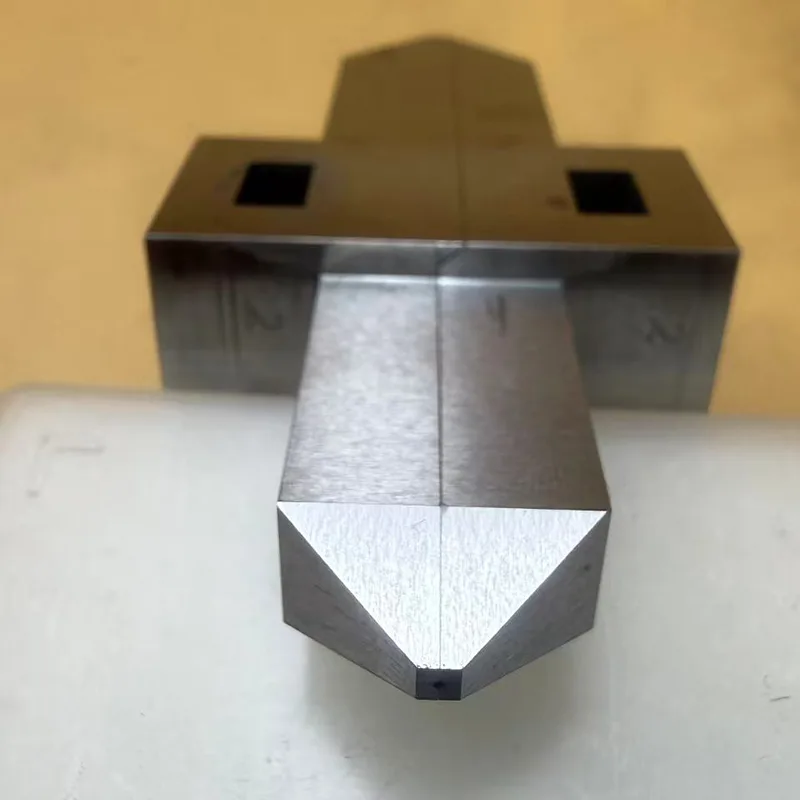
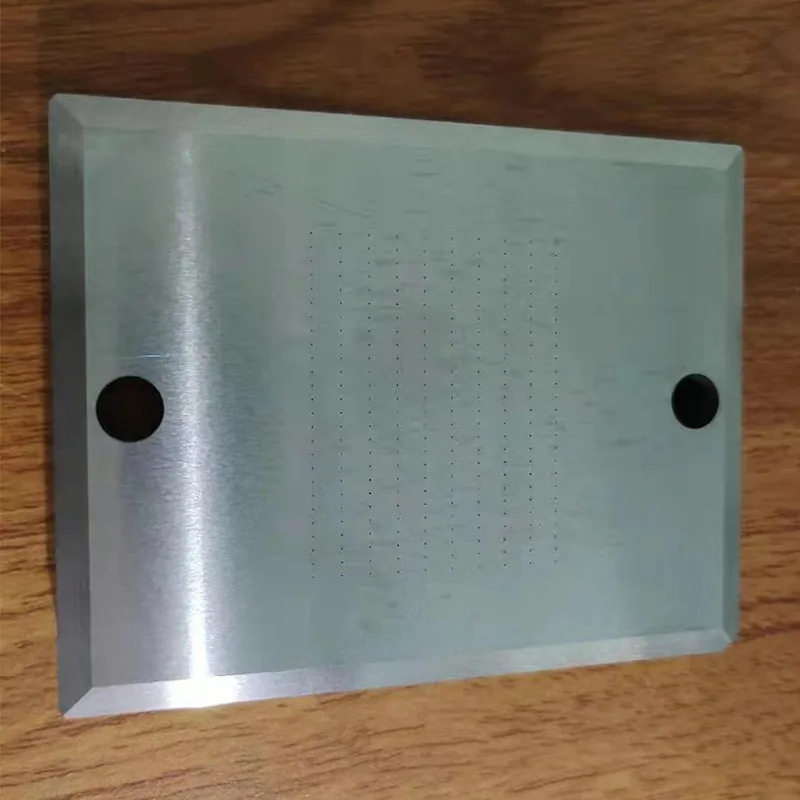
You are welcomed to come to Xincheng to buy high-quality University and Research Machinery Parts. These components are perfectly suited to the core characteristics of university scientific research, providing a solid guarantee for cutting-edge academic research and the cultivation of innovative talents.
Send Inquiry
Product Description
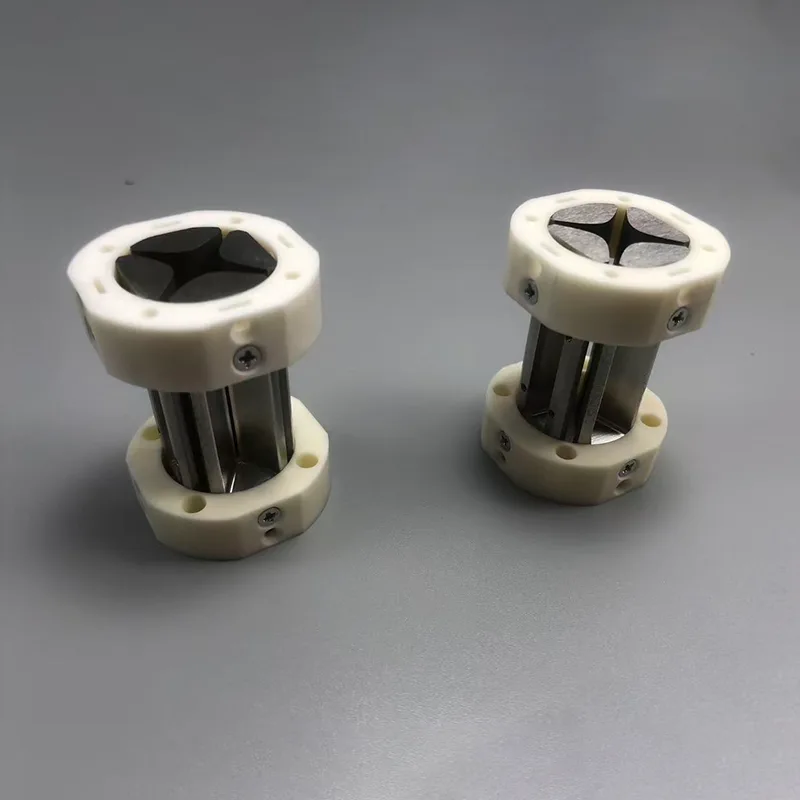
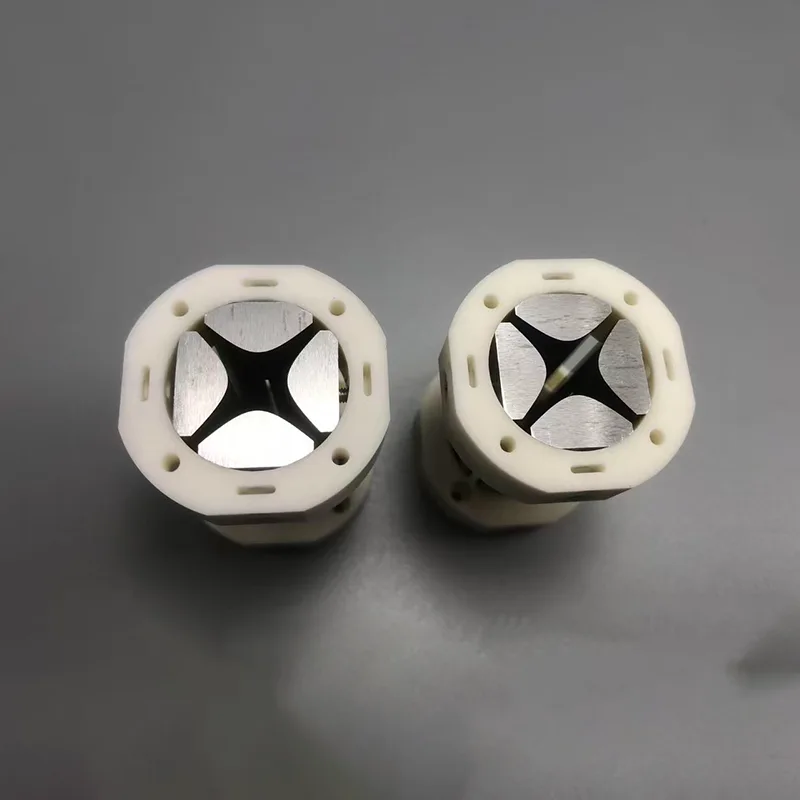
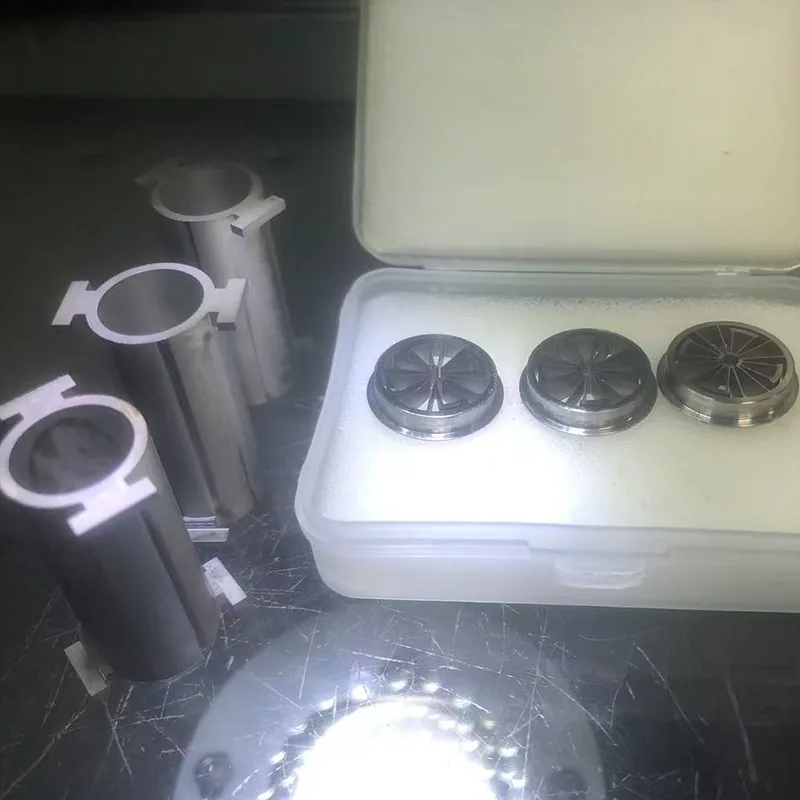
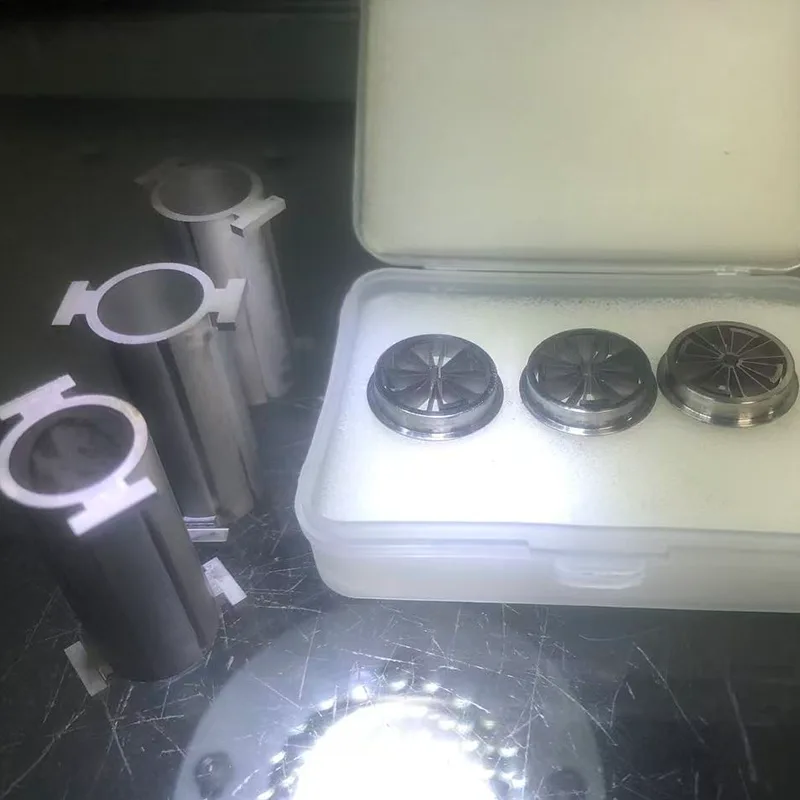
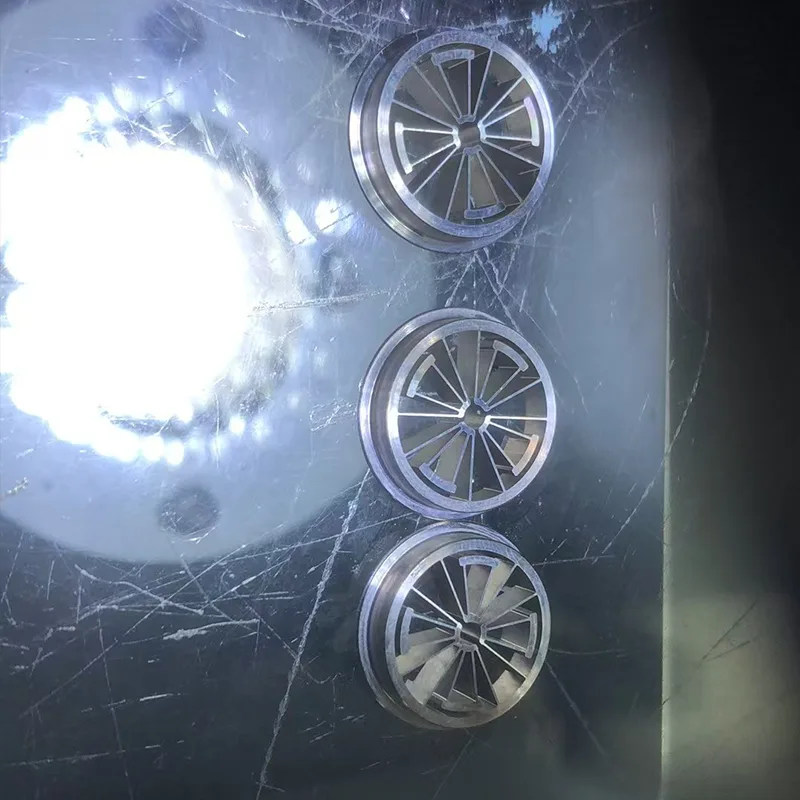
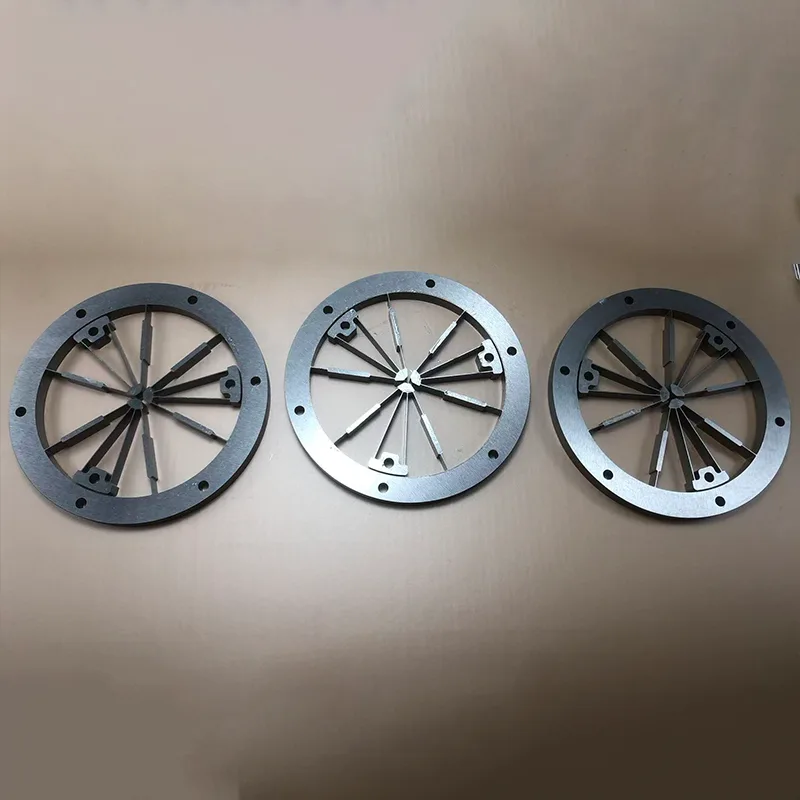
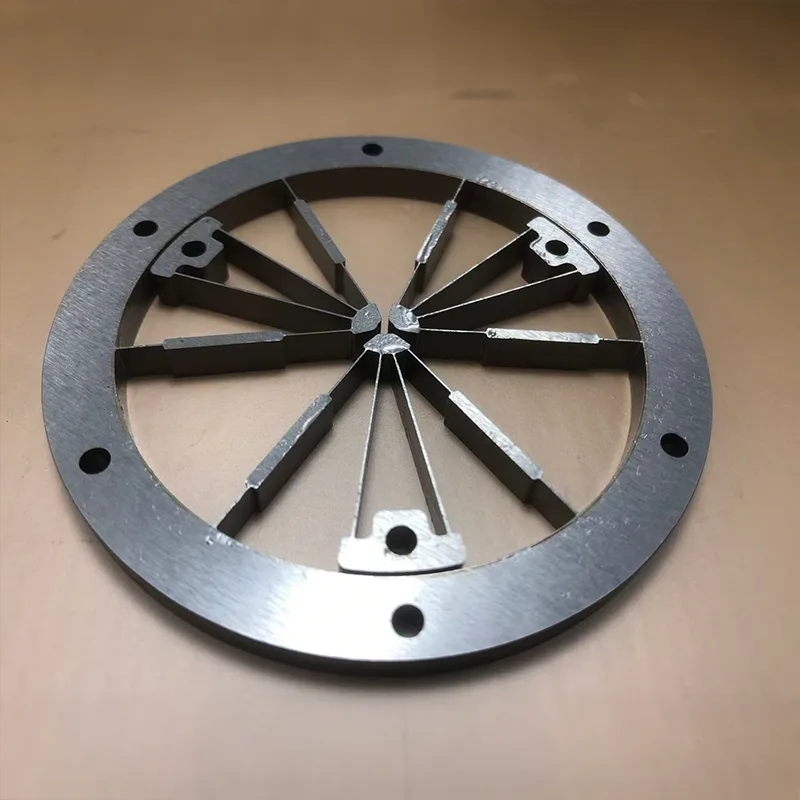
Xincheng is a professional CNC machining factory and also a manufacturer and supplier of processed parts in China. University and Research Machinery Parts are core support components specifically designed for scientific research experiments in fields such as materials mechanics, structural engineering, aerospace, and intelligent manufacturing in higher education institutions. As the "precise executor" and "data guarantor" of scientific testing equipment, their performance directly impacts the scientific validity of experimental data, the reliability of conclusions, and the commercialization value of research results. These components deeply align with the core characteristics of university research—"multi-scenario exploration, high precision requirements, and customized needs"—providing a solid guarantee for cutting-edge academic research and the cultivation of innovative talent.
Core Functions
Addressing the full-scenario needs of university research, from basic materials analysis to complex structural verification, University and Research Machinery Parts form a matrix of four core functions:
Precise Multi-Dimensional Load Application: Adaptable to various load tests including tensile, compressive, torque, bending, and fatigue, supporting complex loading modes such as dynamic, static, and intermittent loads. It precisely transmits the power of the testing equipment to various research samples, meeting the core needs of quantitative analysis of the mechanical properties of new materials.
Flexible Adaptation to Irregularly Shaped Samples: For irregularly shaped samples commonly used in university research, such as thin films, fibers, powder compacts, and biomimetic structural components, adjustable and contour-mimicking clamping and positioning solutions are provided. This ensures accurate positioning and uniform force distribution during testing, avoiding experimental errors caused by clamping issues.
Fidelity of Experimental Data Transmission: A low-gap, high-rigidity structural design reduces force loss and displacement deviation during mechanical transmission, ensuring that data collected by force sensors, displacement sensors, and other detection elements accurately reflect sample characteristics, supporting the rigor of data in research papers.
Scientific Research and Innovation Support: Standardized modification interfaces are reserved, supporting university research teams to conduct secondary development according to specific experimental needs, such as integrating temperature sensors, strain gauge mounting slots, and other customized structures, facilitating innovative interdisciplinary experimental research.
Product Features
Based on the unique characteristics of university research experiments, University and Research Machinery Parts enhances three exclusive features on top of general performance, forming a differentiated competitive advantage:
1. High Precision and High Stability: Key mating surface dimensional tolerances are controlled within ±0.003mm, surface roughness is as low as Ra0.2μm, and sliding component repeatability reaches 0.001mm, meeting the precision requirements of micro- and nano-scale research experiments on micro- and nano-materials and precision structures. Aging treatment and precision grinding processes ensure stable performance of components in long-term repeated experiments, guaranteeing the repeatability of experimental data.
2. Multi-Scenario Material Adaptability: Offers a diverse range of material options. In addition to standard high-strength aluminum alloy (6061-T6) and alloy structural steel (40CrNiMoA), 316L stainless steel is available for corrosive environment experiments (such as marine materials research), and high-temperature alloys are available for high-temperature experiments (such as aerospace materials testing). Complete test reports on material composition and mechanical parameters are provided to meet the traceability requirements of research data.
3. Balancing high cost-effectiveness and customization: Tailored to the budget characteristics of university research grants, we optimize production processes to control costs while offering a combination of standardized basic models and customized upgrades. Standardized products can be delivered quickly to meet the needs of routine teaching experiments; customized services support rapid mold creation based on experimental design drawings, enabling precise development of components with special structures and performance characteristics, shortening the development cycle by 30% compared to the industry average.
Related Category
Send Inquiry
Please Feel free to give your inquiry in the form below. We will reply you in 24 hours.
Related Products

 Xincheng
 Xincheng