

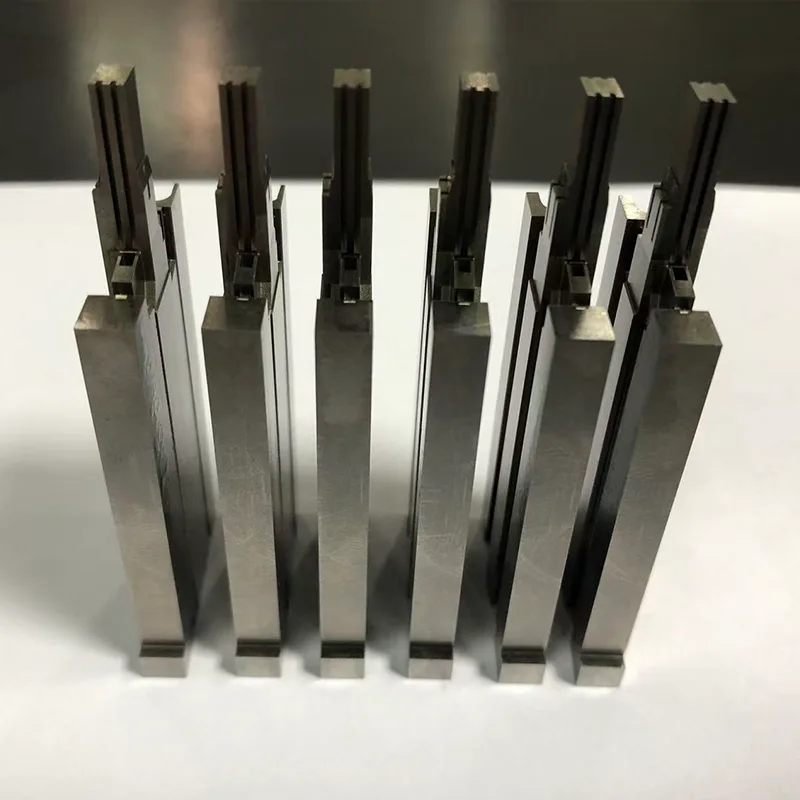
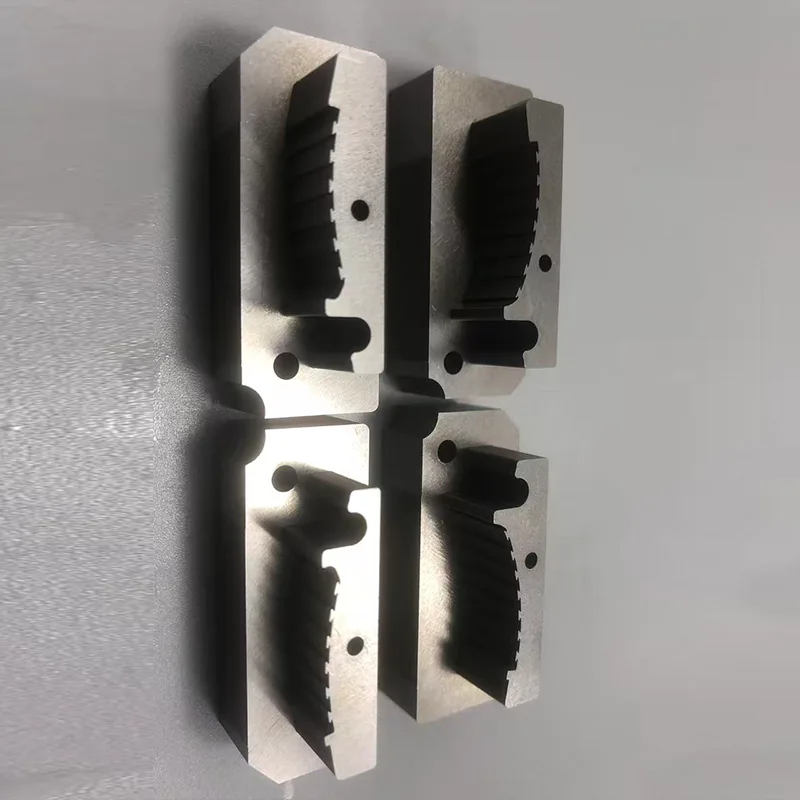
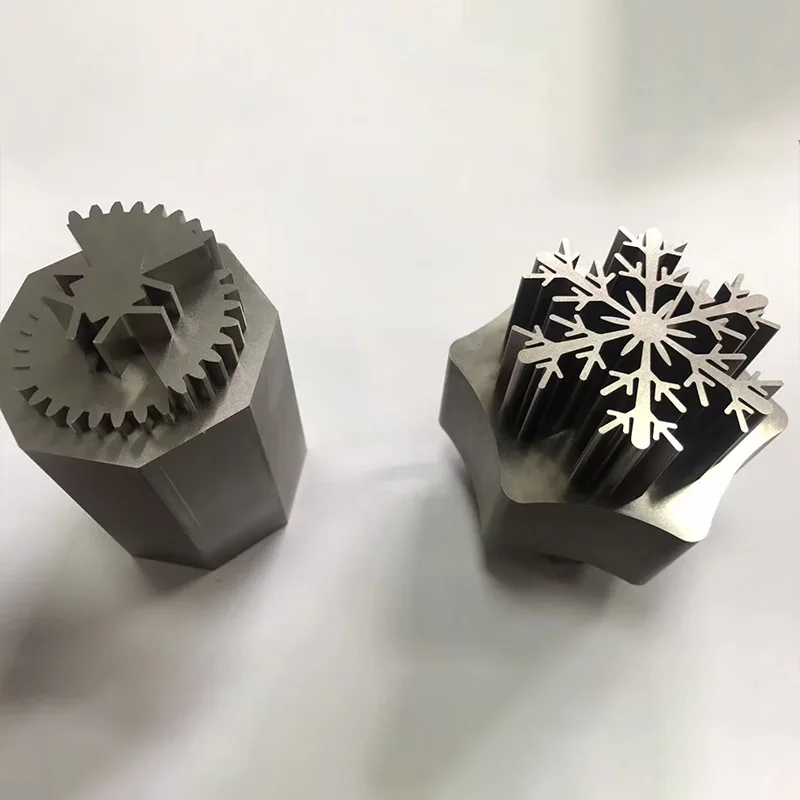
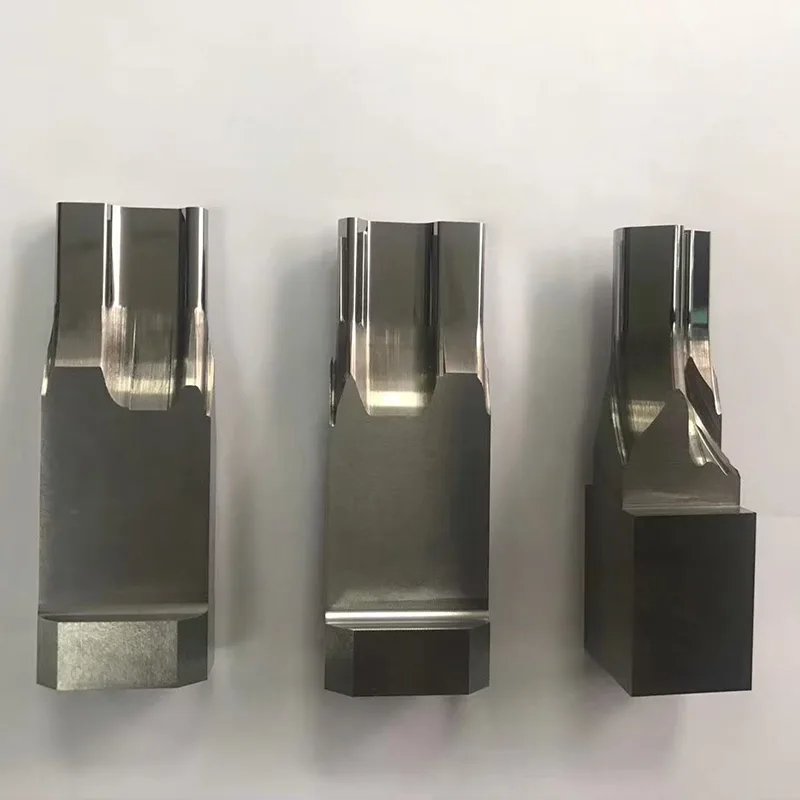
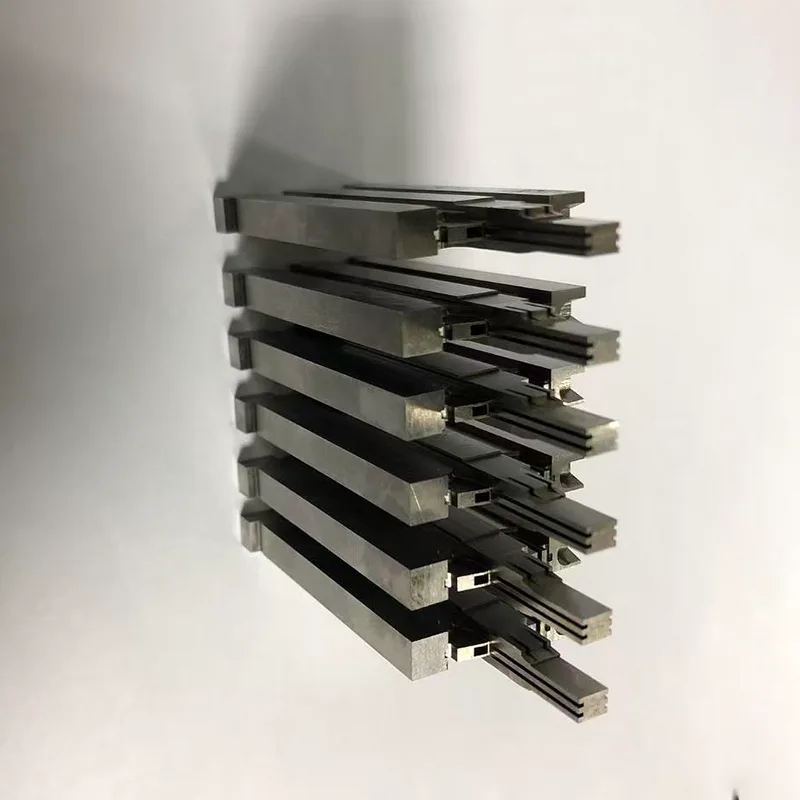
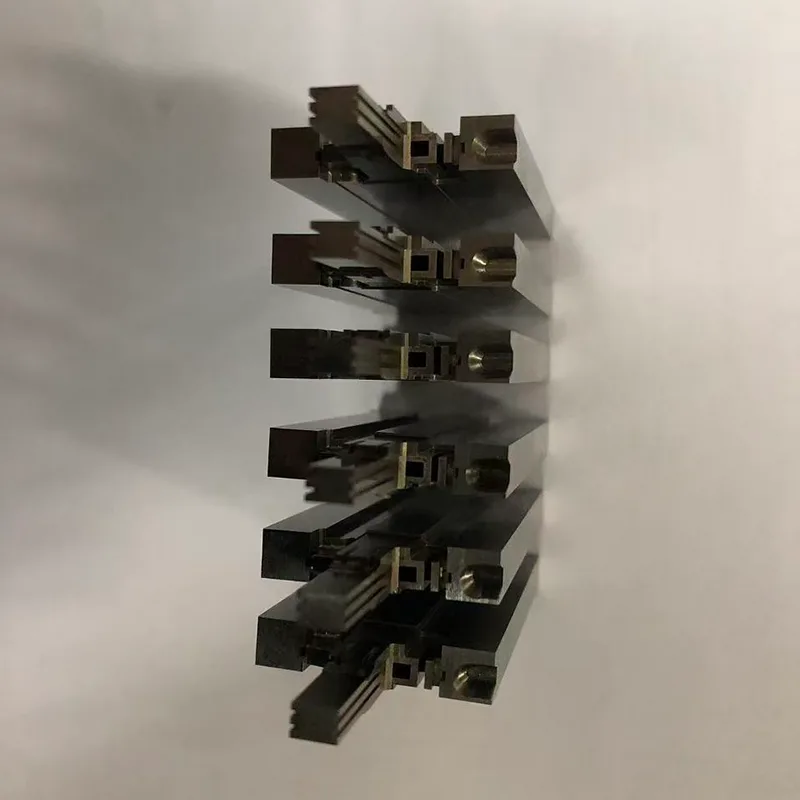
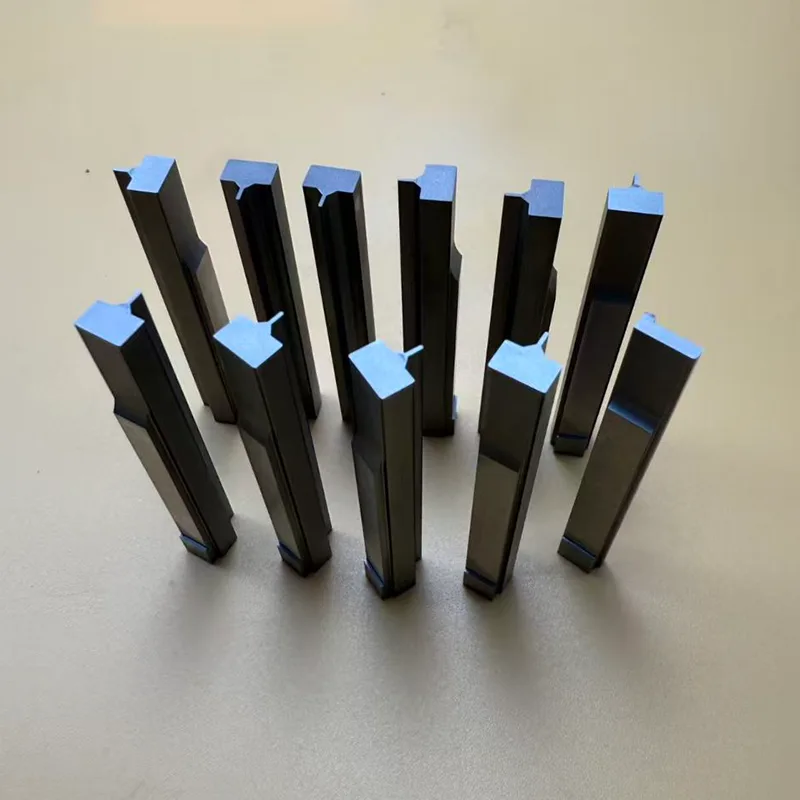
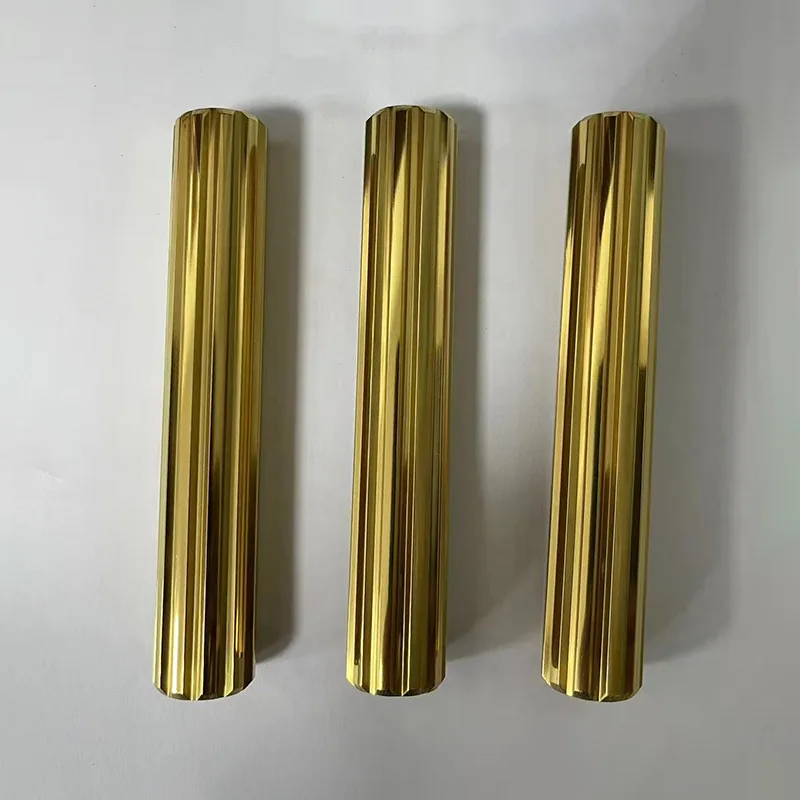
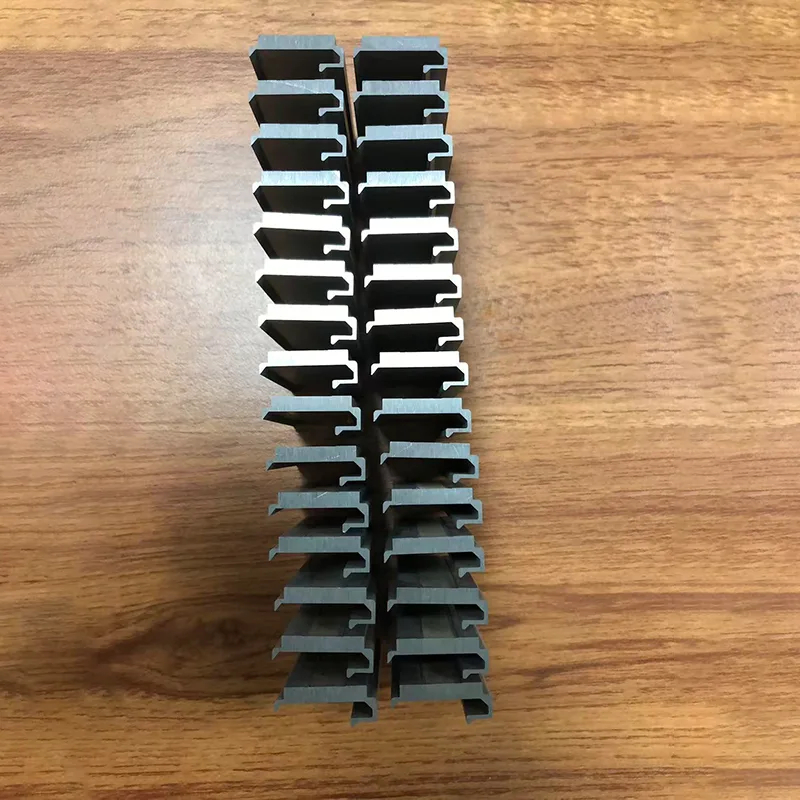
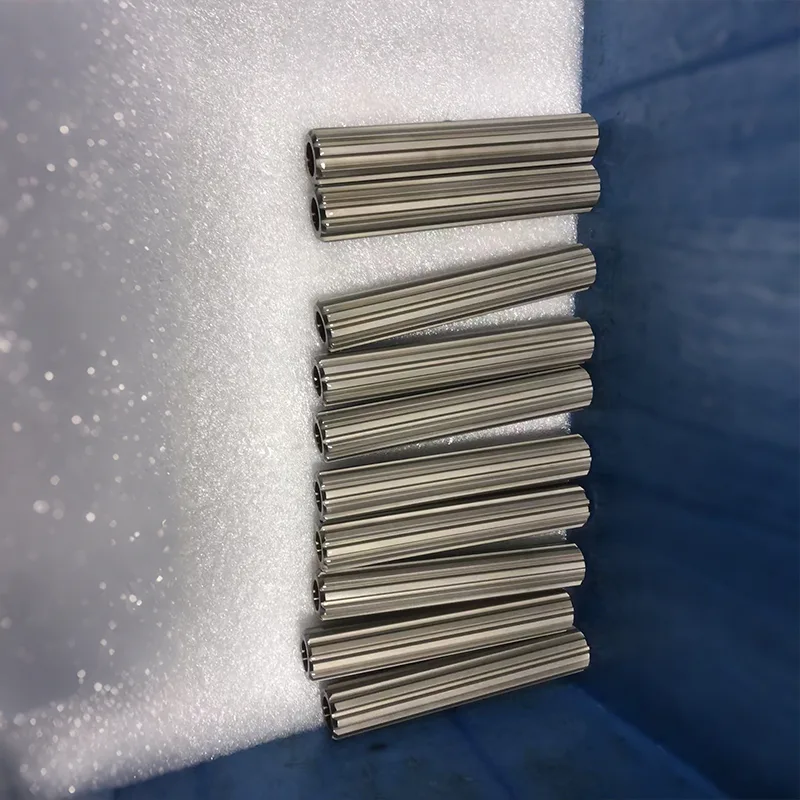
Metal Stamping Die Punch
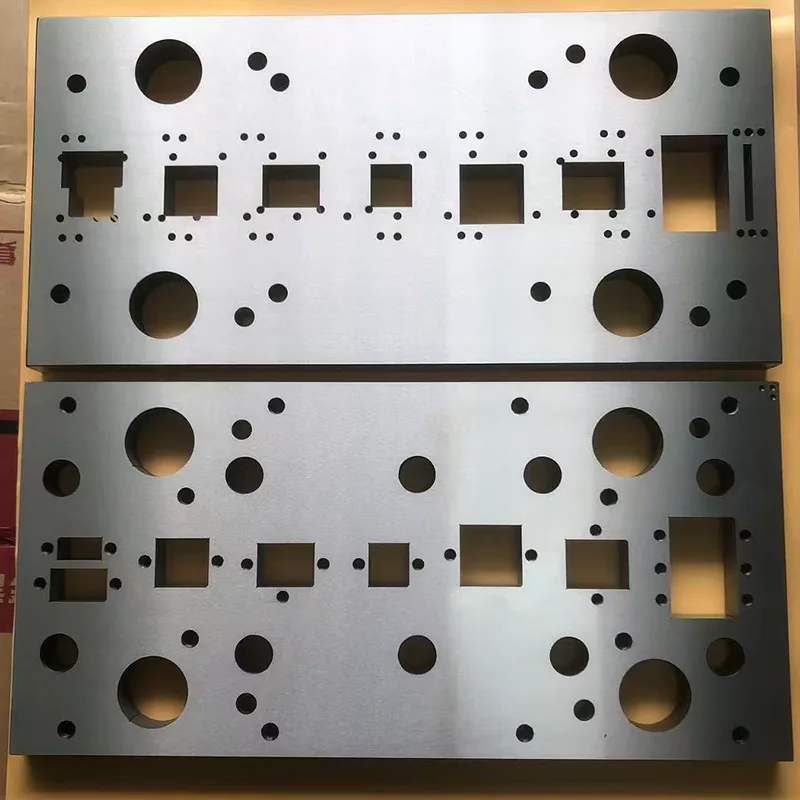
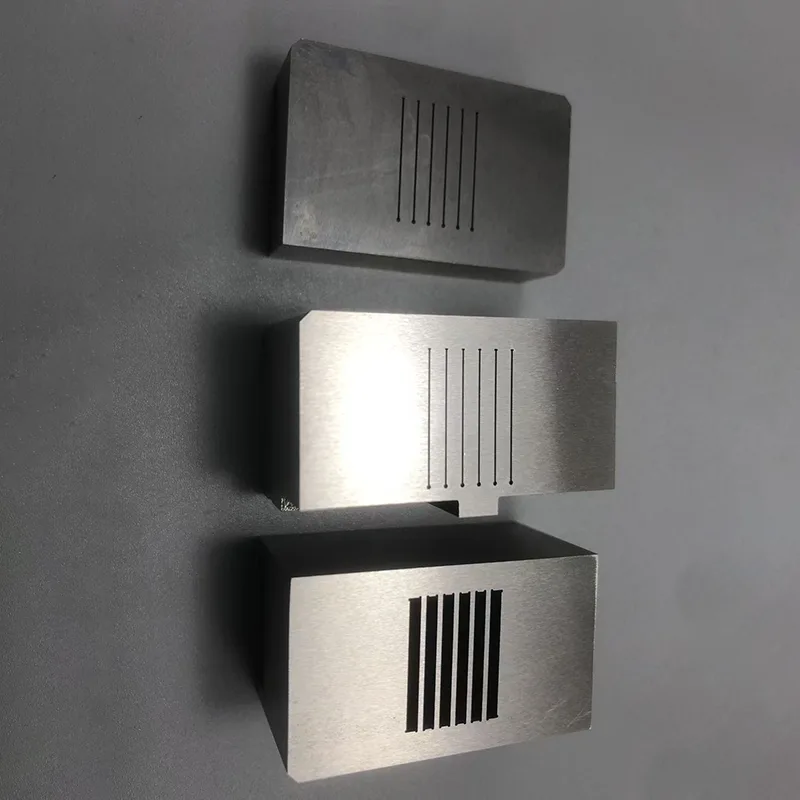
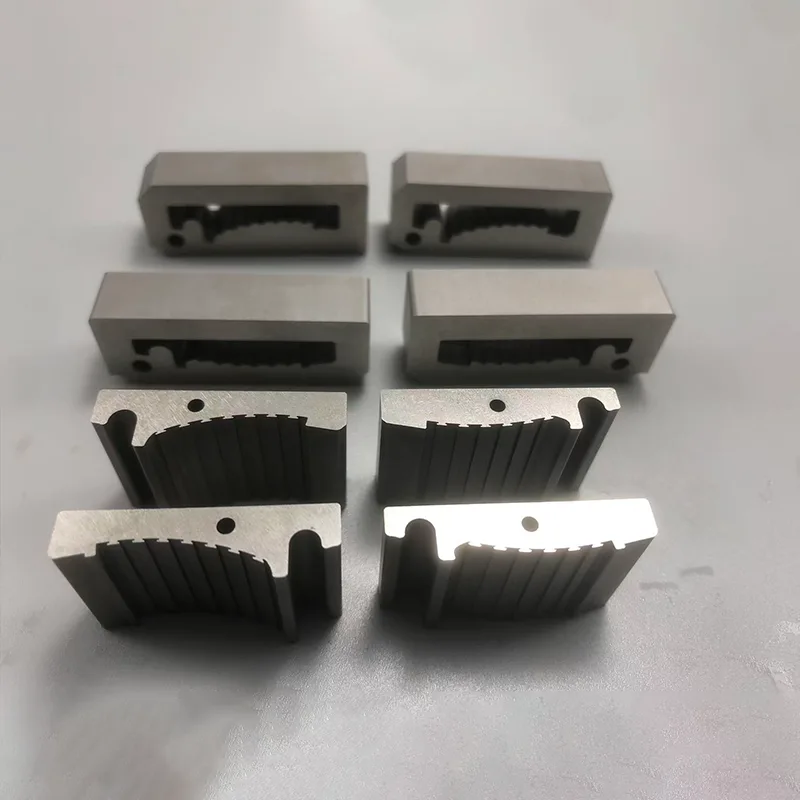
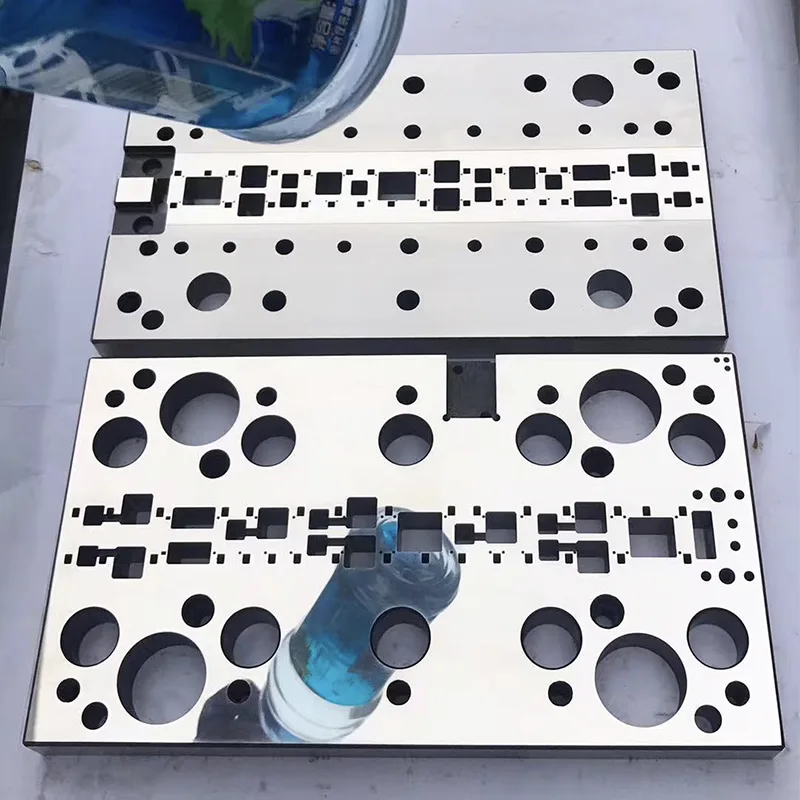
Xincheng is a professional CNC machining factory and also a manufacturer and supplier of processed parts in China. You can rest assured to buy customized Metal Stamping Die Punch from Xincheng. We look forward to cooperating with you, if you want to know more, you can consult us now, we will reply to you in time!
Send Inquiry
Product Description
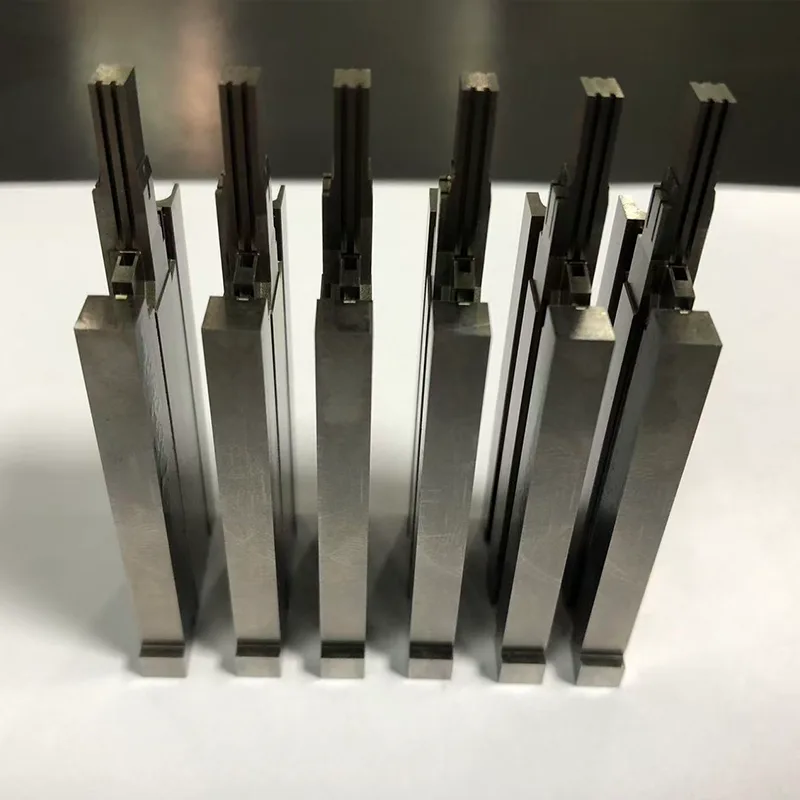
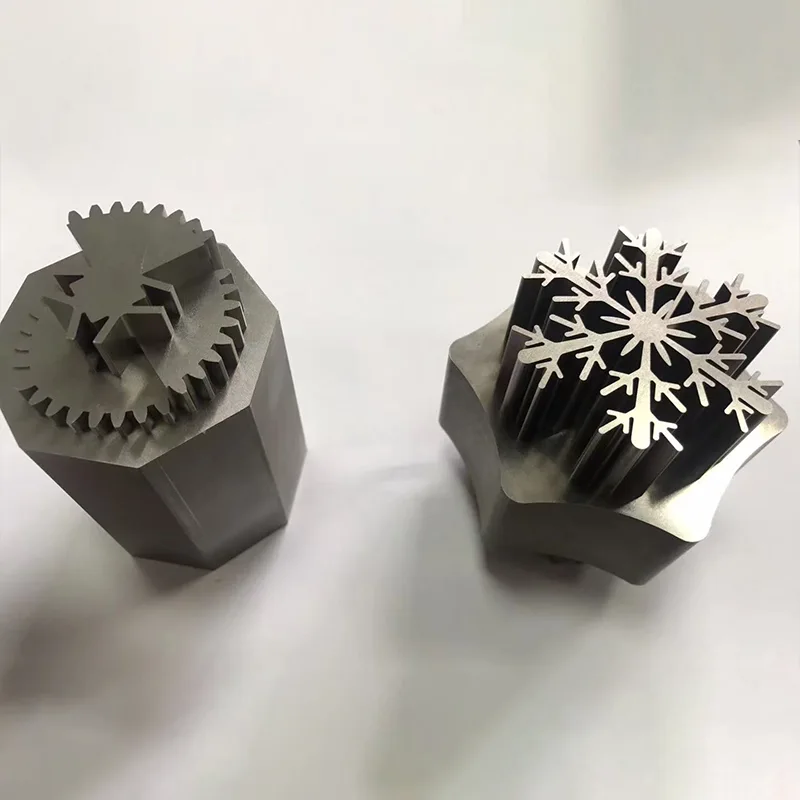
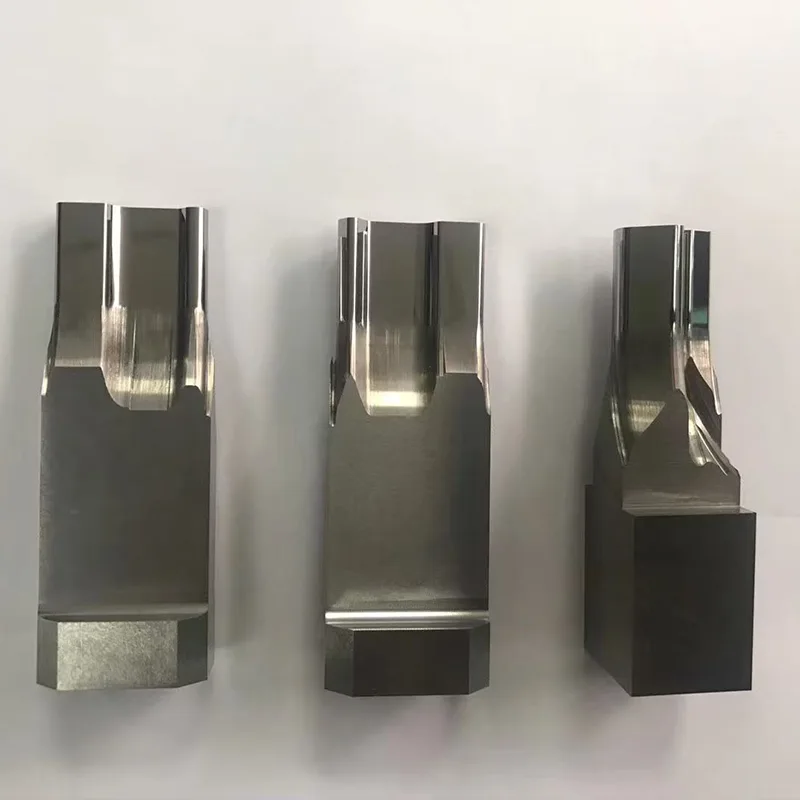
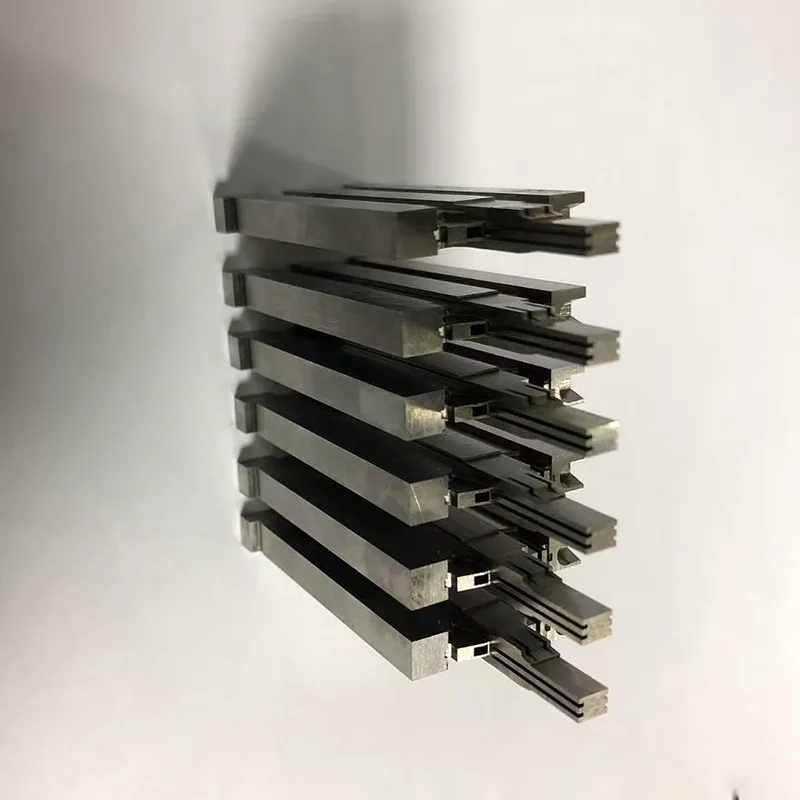
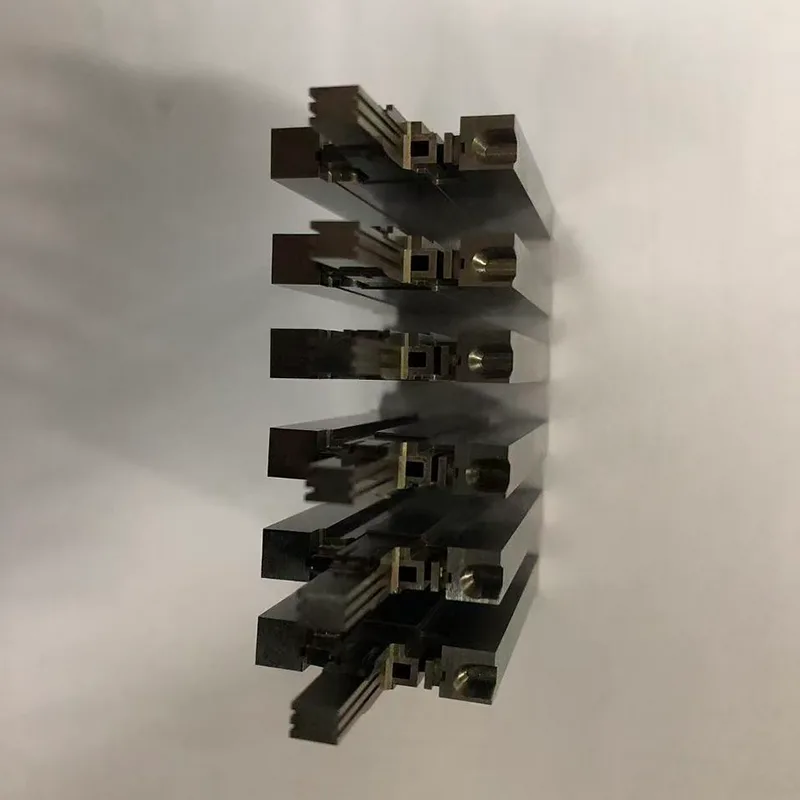
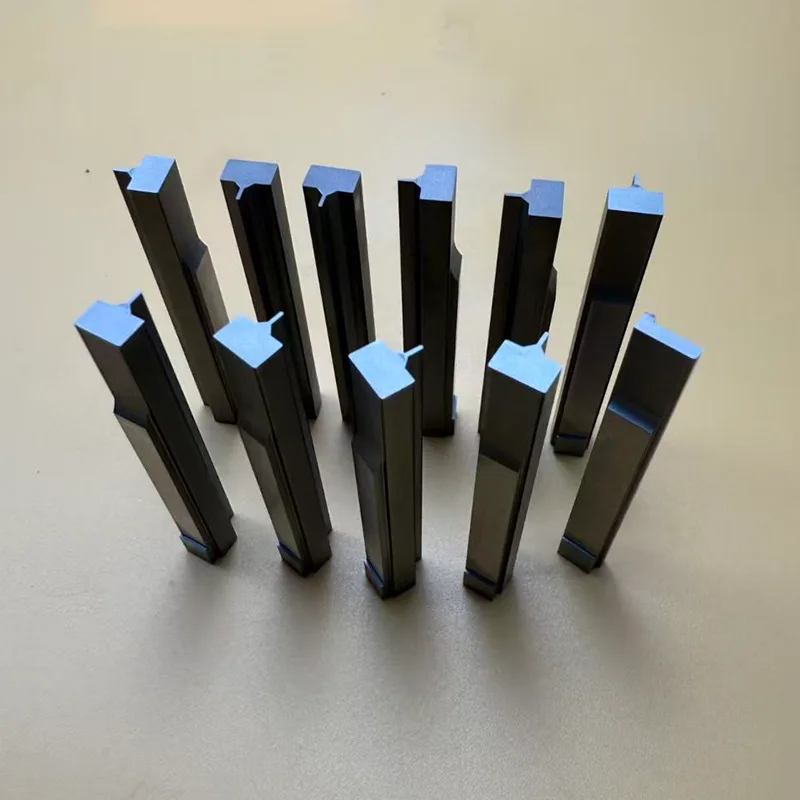
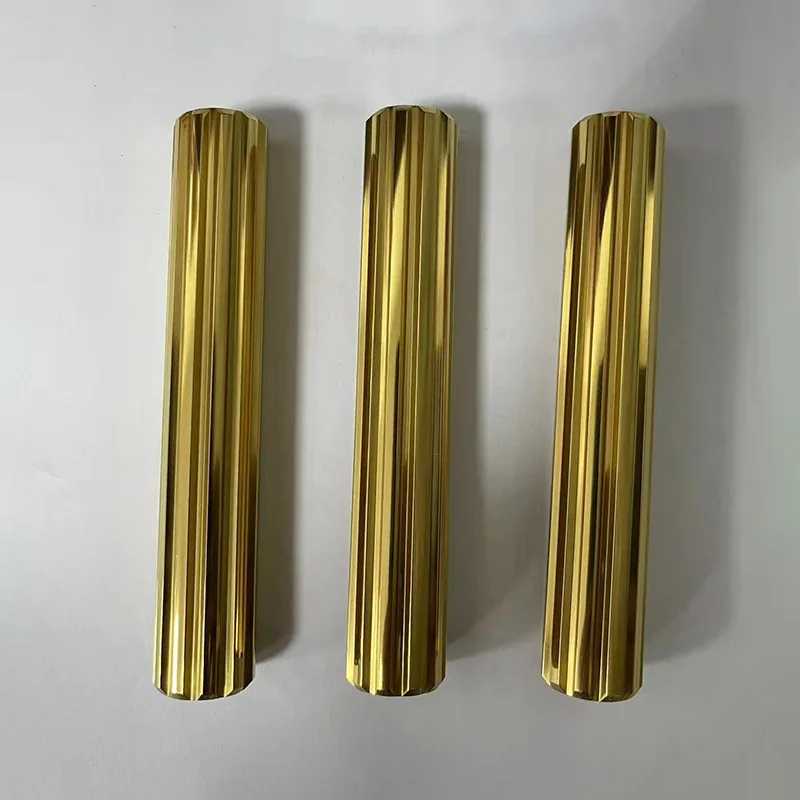
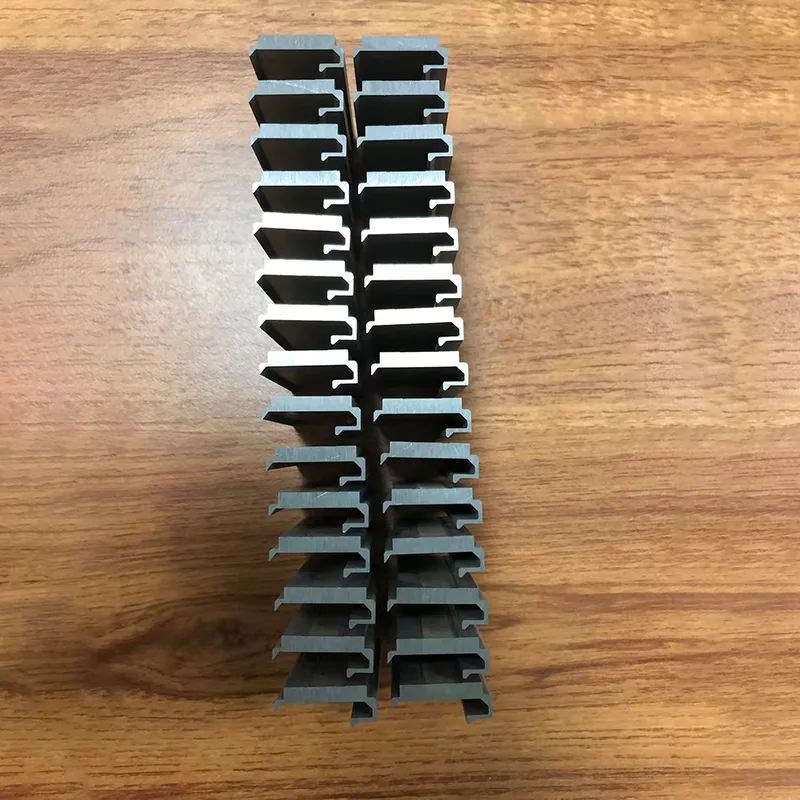
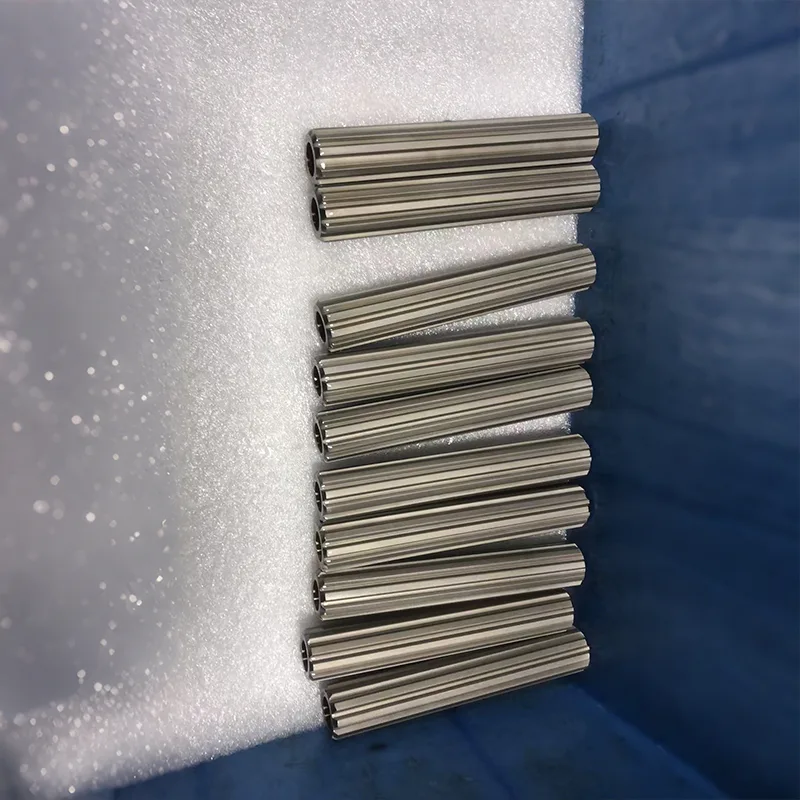
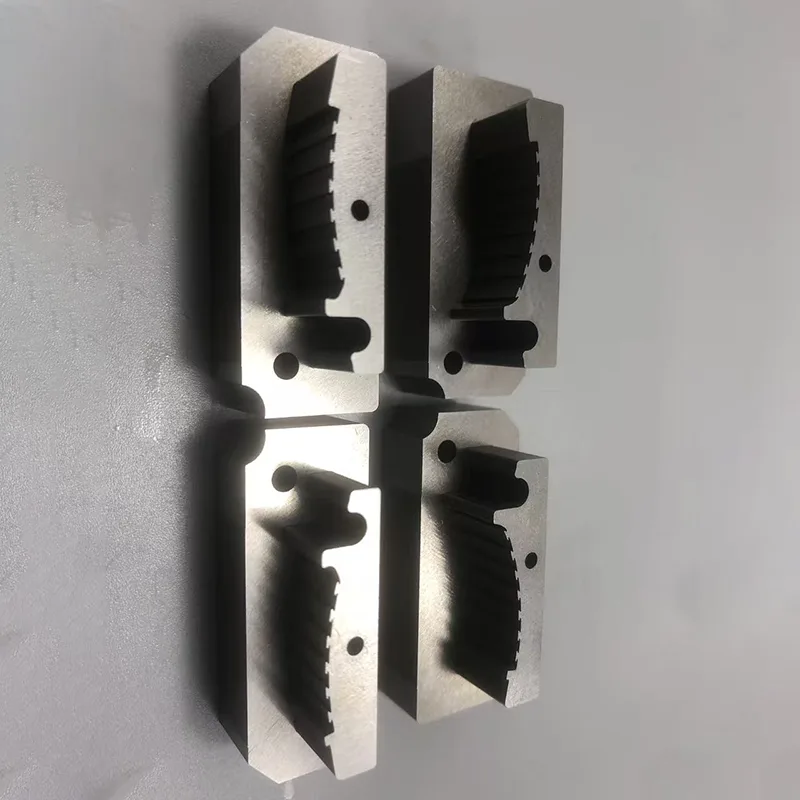
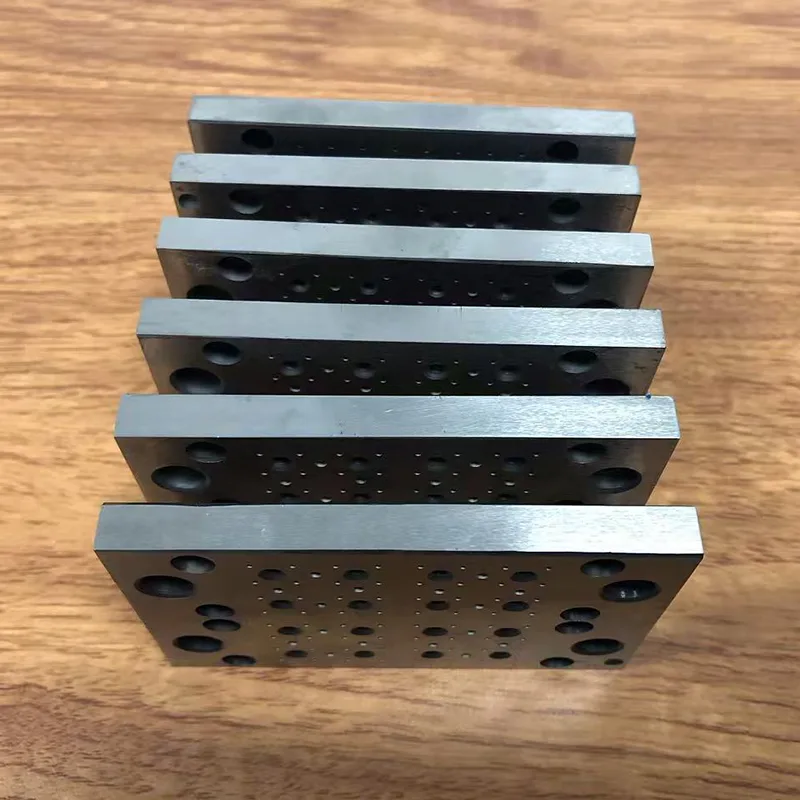
A punch is a metal part on a stamping die in machine tools, also known as a punch or dies. It achieves cutting or deformation through direct contact with the material. Punches can be classified into A-type, T-type, and irregular-shaped punches, primarily made of high-speed steel and tungsten steel, with high-speed steel being the most widely used and tungsten steel mainly used in high-precision punching and shearing dies. Metal Stamping Die Punch production is concentrated in the Yangtze River Delta and Pearl River Delta regions, primarily using imported materials. Modern punches employ intelligent wear monitoring systems, using embedded sensors to collect pressure and temperature data in real time, reducing equipment downtime. Nano-coating technology extends punch life to 2.3 times that of traditional products, reducing scrap rate to below 0.5% in the processing of new energy vehicle battery trays.
Processing Technology
The cemented carbide Metal Stamping Die Punch used in industrial stamping dies can be manufactured into punches of different shapes to meet different product requirements, enabling mass production of holes. Especially in the production of progressive dies, such as those used in computer cases (which have numerous ventilation holes), mobile phones, and many other electrical appliances and machinery, ordinary drilling machines, lathes, or milling machines can only produce round holes. However, during stamping, large punch presses can produce hundreds of holes simultaneously.
Our Advantages
The precision of our Metal Stamping Die Punches can reach ±0.002mm, placing us at an internationally leading level. The punches are primarily made of high-speed steel, commonly using materials such as SKH9, SKH55, and SKH59 from Japan, and M2, M35, and M42 from the United States. The main characteristics of these materials are that they maintain good red hardness during high-speed upsetting, excellent wear resistance, and a certain degree of toughness. Some powder high-speed steel materials are also used, commonly ASP23, ASP30, and ASP60.
Related Category
Send Inquiry
Please Feel free to give your inquiry in the form below. We will reply you in 24 hours.

 Xincheng
 Xincheng